
CARBOHYDRATES THAT HEAL : FIBERS
In our recent articles, we highlighted the significance of the gut-brain axis, drawing on research focused on stress-related illnesses. In this week’s post, we will discuss fiber—another dietary component that helps strengthen this connection.
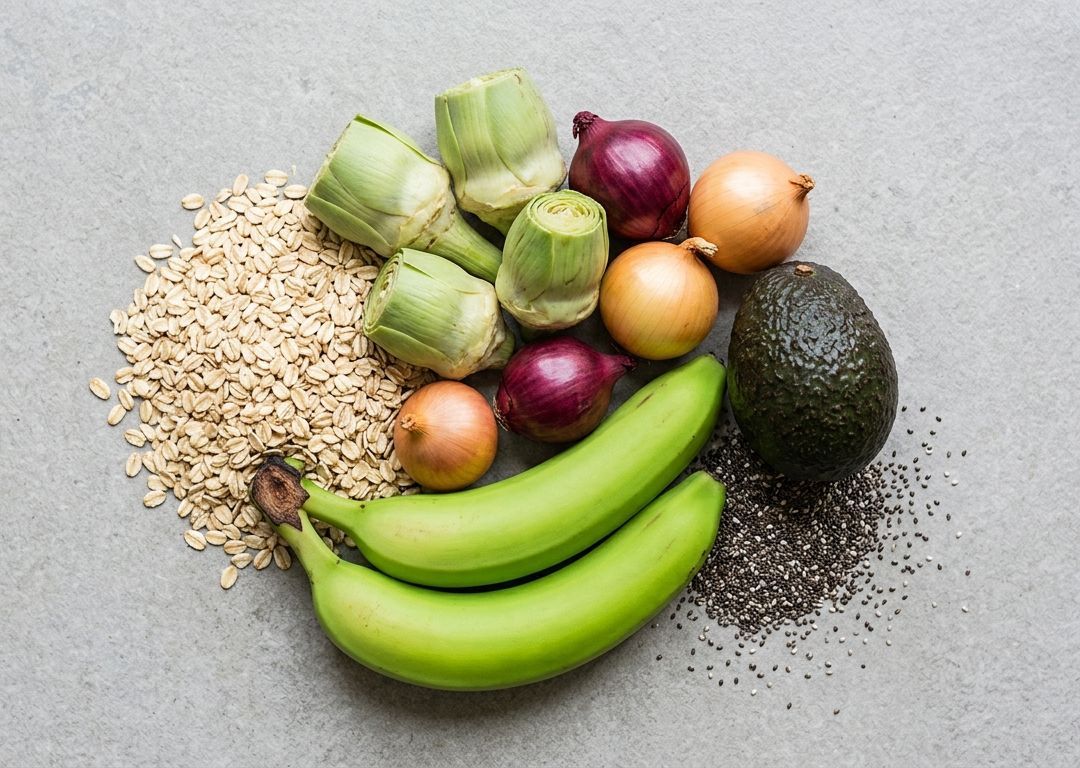
When you think of fiber, simple indigestible carbohydrates might come to mind. However, these components are actually fermented once they reach the large intestine, facilitating a wide variety of functions in our body. Furthermore, fiber derived from different foods is not identical. For instance, while fiber from oats helps lower LDL, known as "bad cholesterol," fiber from garlic exhibits a prebiotic effect, helping to increase microbiome diversity. Similarly, whereas the fiber in green bananas helps reduce inflammation and repair the intestinal wall, wheat bran accelerates digestion.
Most national authorities and the World Health Organization (WHO) state that daily fiber intake should be at least 25–30 g. Studies have identified this range as a threshold value for cardiometabolic and oncological risks; in other words, certain diseases have been found to be more prevalent in individuals whose fiber consumption falls below this rate.
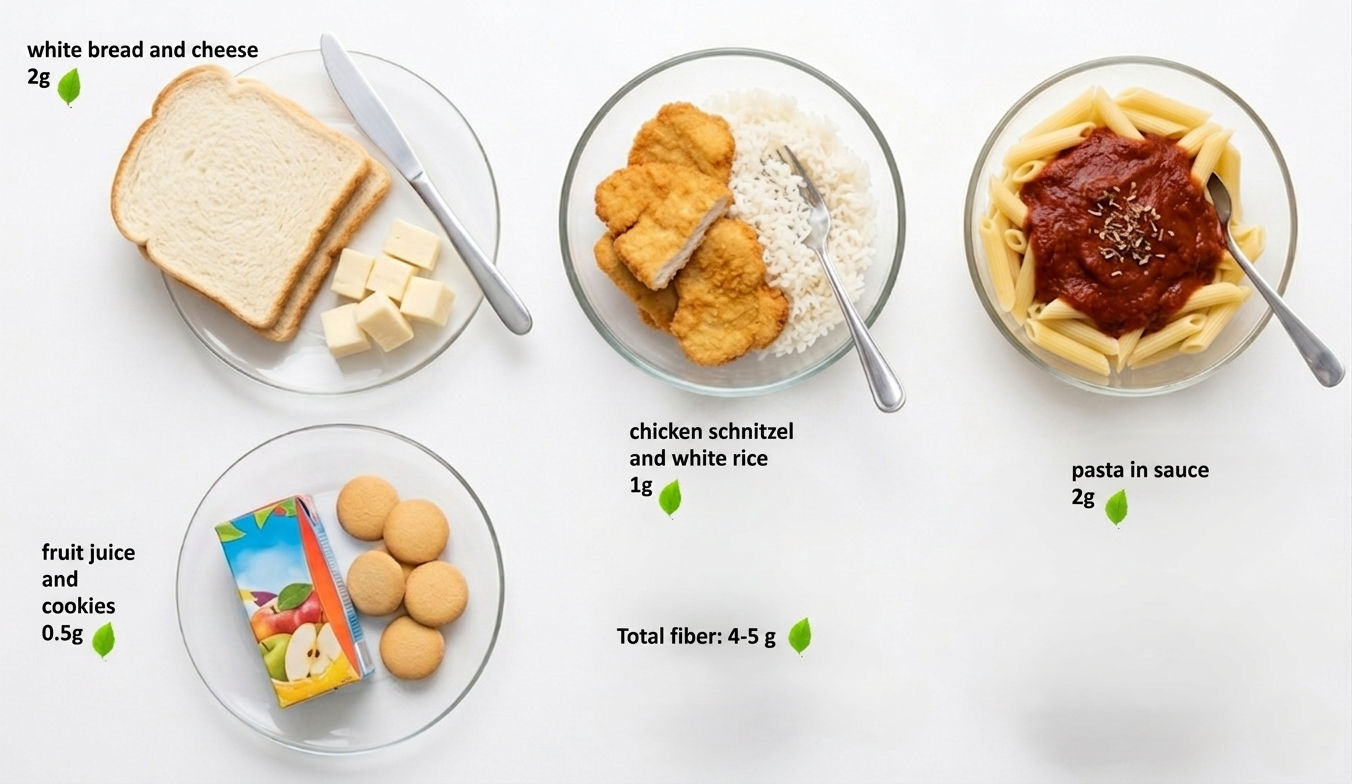
So, what does 25–30 g of fiber actually look like? Below are two sample menus: while the minimum threshold can barely be reached in one menu filled with healthy foods,

The other is closer to the diet that most people prefer—or are forced to adopt—in modern life, and its total fiber content is quite low.
What is consumed in societies with high-fiber diets? In the Mediterranean diet, for example, legumes occupy a significant place. Sprouted or cooked legumes are rich in both protein and fiber. Traditional Korean cuisine features kimchi, while Japanese cuisine incorporates miso and natto — both traditions relying heavily on fermented foods alongside fiber-rich vegetables like seaweed and sweet potatoes. Alongside these, all kinds of seasonal vegetables, tubers, and fruits are consumed in abundance. In short, adequate fiber intake is easily achieved in populations that maintain traditional eating cultures where processed foods are relatively scarce.
So, what should individuals pay attention to regarding fiber intake if they cannot follow this traditional diet and have limited time due to urban life?
The emerging "healthy snack" and supplement sector has naturally recognized these developments, beginning to display fiber content on labels and formulate fiber blends. However, the nuance here lies in the specific function of the fiber. As we mentioned at the beginning of the article, relying on a single source of fiber may not be as beneficial as expected. Therefore, simply increasing the fiber digit in the nutritional facts table is not enough. For example, if someone with high cholesterol also has a sensitivity to foods like oats and cannot consume them, taking supplements containing beta-glucan could be beneficial. For another individual who does not consume enough foods like onions or artichokes, products fortified with inulin might be effective. In short, as with every nutrient, diversity and balance tailored to individual needs are vital.
We will continue to explain the functions and types of fibers in our upcoming articles.