
COCOA ALTERNATIVE : CAROB POWDER
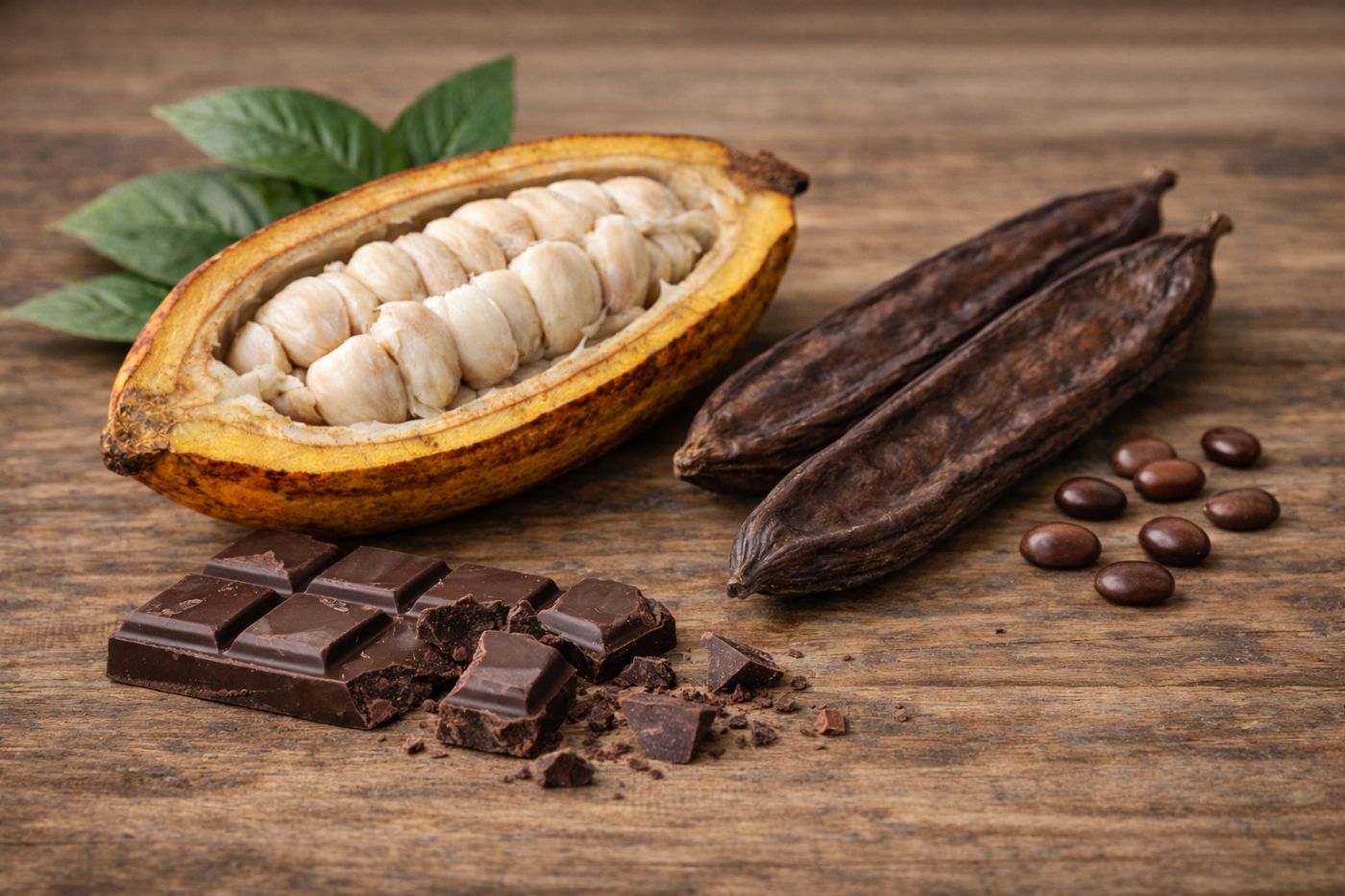
Cocoa has been a staple in the snack industry for many years, and so has chocolate. This week's article focuses on the sustainability of cocoa, a topic frequently discussed at the annual snack and chocolate fair in Cologne, ISM. The ever-increasing consumption and demand for cocoa necessitates a corresponding increase in production. However, this situation is problematic and unsustainable due to its negative impact on climate change and the harsh working conditions faced by African people who cultivate this fruit in regions with the highest rates of hunger and poverty in the world. Furthermore, the countries with the highest levels of prosperity are the ones where chocolate and cocoa are most consumed.

So, can we remove this product from our lives, a taste we've become addicted and which is a fundamental ingredient in many recipes? Food science is trying to find a solution to this question.
Professionals working in food production know that it's very difficult to completely eliminate a product from a recipe or immediately replace it. However, initial reductions can be made, or the product can be improved without losing taste and quality. This is the reason why many new products have been introduced at food fairs and on supermarket shelves in recent years. First, products made from cocoa that has been certified to demonstrate sustainability – meaning it's produced by local, small producers using ethical working conditions and good agricultural practices – have entered the market. However, the most significant disadvantage of these products is that the high price resulting from their production method is passed on to the consumer.
Alternatively, many products were tried, from lab-grown cocoa to oats and carob. Consumer surveys revealed that the most successful cocoa substitute was carob powder.
But why?

First of all, carob has a taste profile similar to the slightly bitter taste of cocoa without added sugar. But that's not its only advantage; cocoa often appeals to consumers in terms of color as well. Reducing the cocoa content might require extra color adjustments, but this isn't a problem with carob. Because of its heat-resistant dark brown color, carob powder performs almost the same function as cocoa without needing extra coloring.
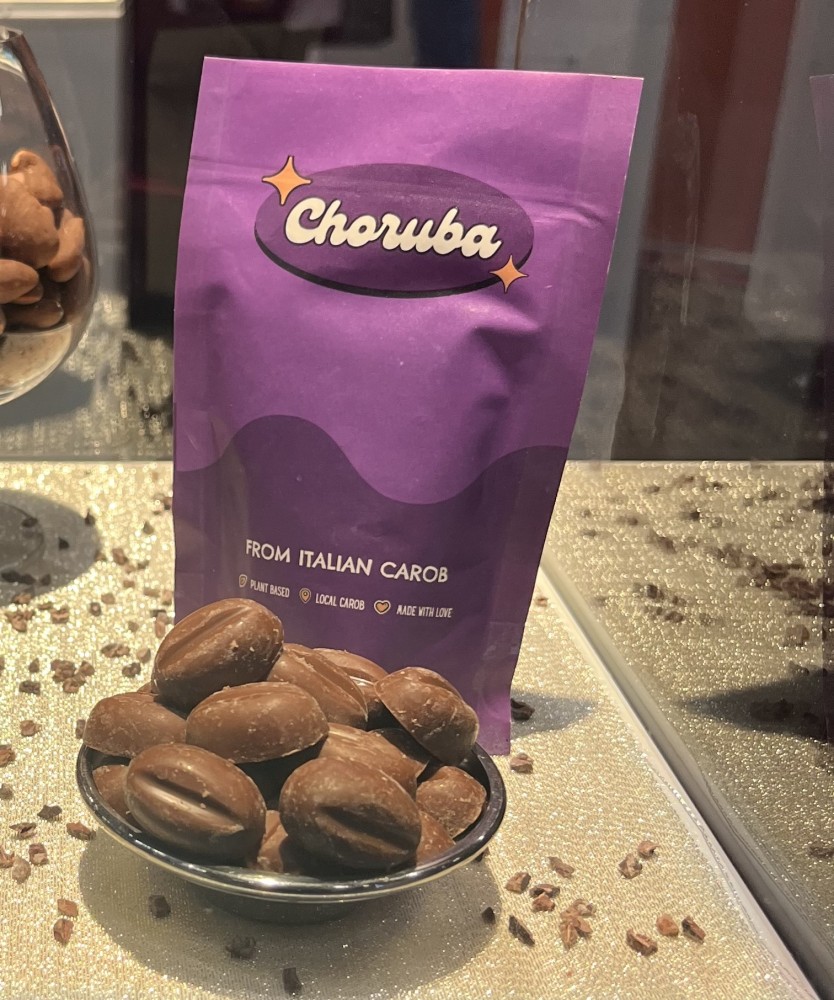
In addition to all these, the fact that carob powder is natural and plant-based, is an important advantage. Because consumers who care about the sustainability of cocoa and the environment, and who demand products made under ethical working conditions, generally also prefer plant-based ingredients. Moreover, carob naturally contains sugar and raises blood sugar levels relatively slowly. It has already been using for many years in diabetic products and foods consumed by children. So it had a good reputation. But as like many food ingredients, there are varieties of carob powder. To replace cocoa in a product; flavor profile, heat resistance, and color need to be optimized.
Does your sustainability agenda include reducing cocoa? We can be your solution partner to help you find the right product that matches your recipe and requirements.
For detailed information, you can write to us or meet us at the ISM fair in Cologne in February 2026!