
KONJAC GUM: THE ”DEATH CANDY” CASE AND RISK MANAGEMENT IN FOOD ENGINEERING
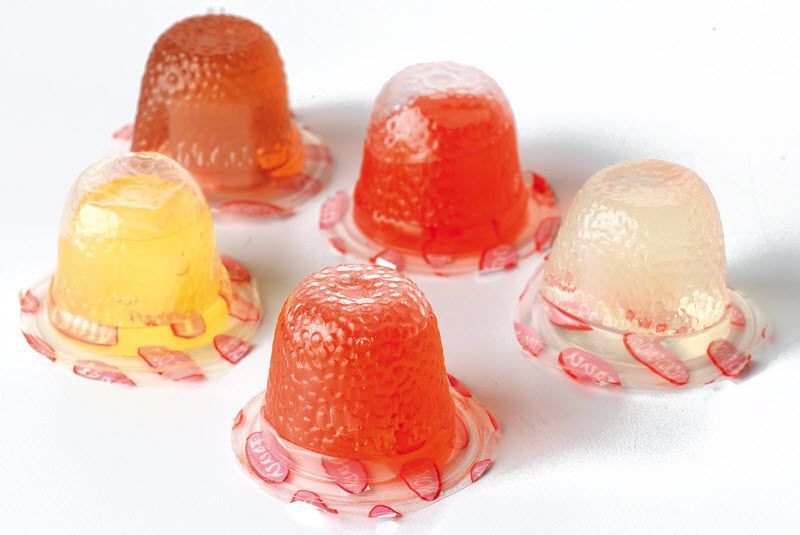
In the early 2000s, a series of fatal choking incidents involving children occurred following the consumption of "jelly mini-cups" originating from the Far East. These cases drew significant attention due to the tragic nature of the accidents, and Konjac gum—a key ingredient in these sweets—was identified as the primary cause. Following high-profile lawsuits in the US that ruled against manufacturers, food safety authorities, led by the FDA, took decisive action. Restrictions were soon placed on the specific use cases of Konjac gum.
What is Konjac Gum Used For?
Konjac gum (E425) is a high-molecular-weight polysaccharide derived from the roots of the Amorphophallus konjac plant, a staple in Far Eastern cuisine for centuries. Unlike other hydrocolloids, it forms stable, elastic, and heat-resistant gels at room temperature, even at very low concentrations. This unique property makes it indispensable for plant-based "jelly candies" and "vegan seafood" (such as shrimp substitutes).
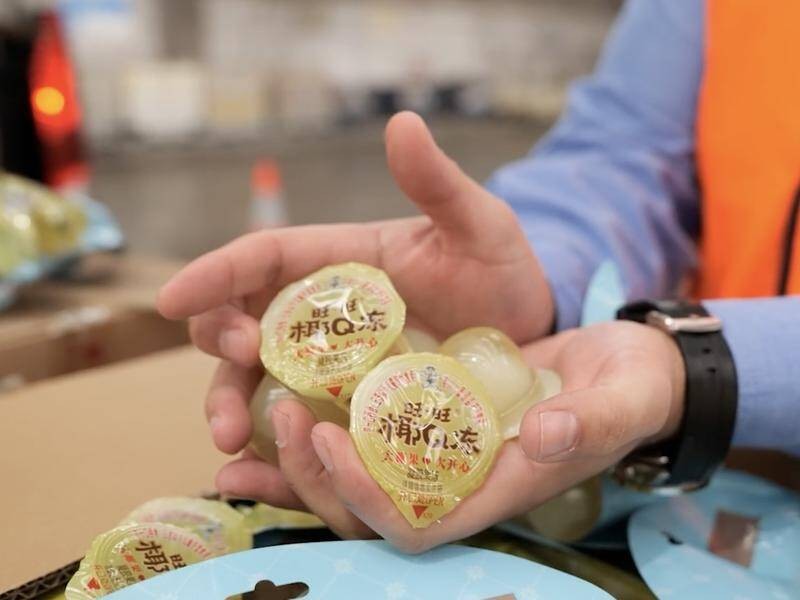
In the late '90s, this technical superiority met a design flaw, sparking a global food safety crisis. Konjac jellies were sold in 3 cm "mini-cups." The problem was simple but deadly: while gelatin-based jellies melt in the mouth, Konjac jelly does not. When children vacuumed these cups into their mouths, the jelly would slide into the throat in one piece. Combined with its ability to swell with saliva, it effectively acted as a "rubber plug," completely blocking the airway.
The legal process, which gained momentum after the death of Michelle Enrile in 1999, resulted in a $50 million settlement against the manufacturer, Sheng Hsiang Jen. The court officially declared the product a "defective design" Between 2001 and 2002, the FDA issued consecutive "Import Alerts," halting the entry of these products. Meanwhile, the European Union, with decision 2002/247/EC, completely banned single-serving Konjac jellies due to choking risks. This remains one of the most significant cases in history where an additive was banned not for its chemical composition, but for its physical form.
How Did Manufacturers Respond?
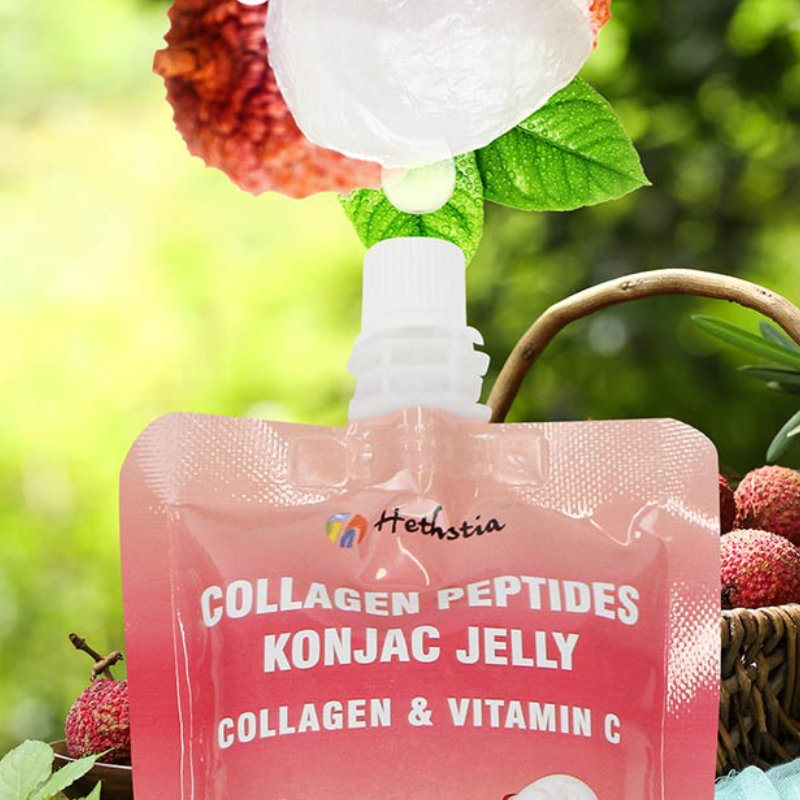
Manufacturers saved a collapsing industry through "safety by design". Leading producers (e.g., MannanLife) abandoned the "cup" format in favor of the "Squeeze Pouch". In this format, the product can only be consumed in a crushed or pureed state through a narrow nozzle, making the risk of swallowing it in one piece physically impossible.
In another clever move, manufacturers repositioned Konjac products. They moved away from the "candy" category and rebranded them as "low calorie, satiating healthy snacks" (functional food). Today, these products are back on the shelves, targeting consumers seeking weight loss and physical satiety.
Would you ever think that the ingredients you use could be fatal depending on the design? This is why is vital to know which ingredient can be used in which application.