
PALM OIL AND SUSTAINABILITY
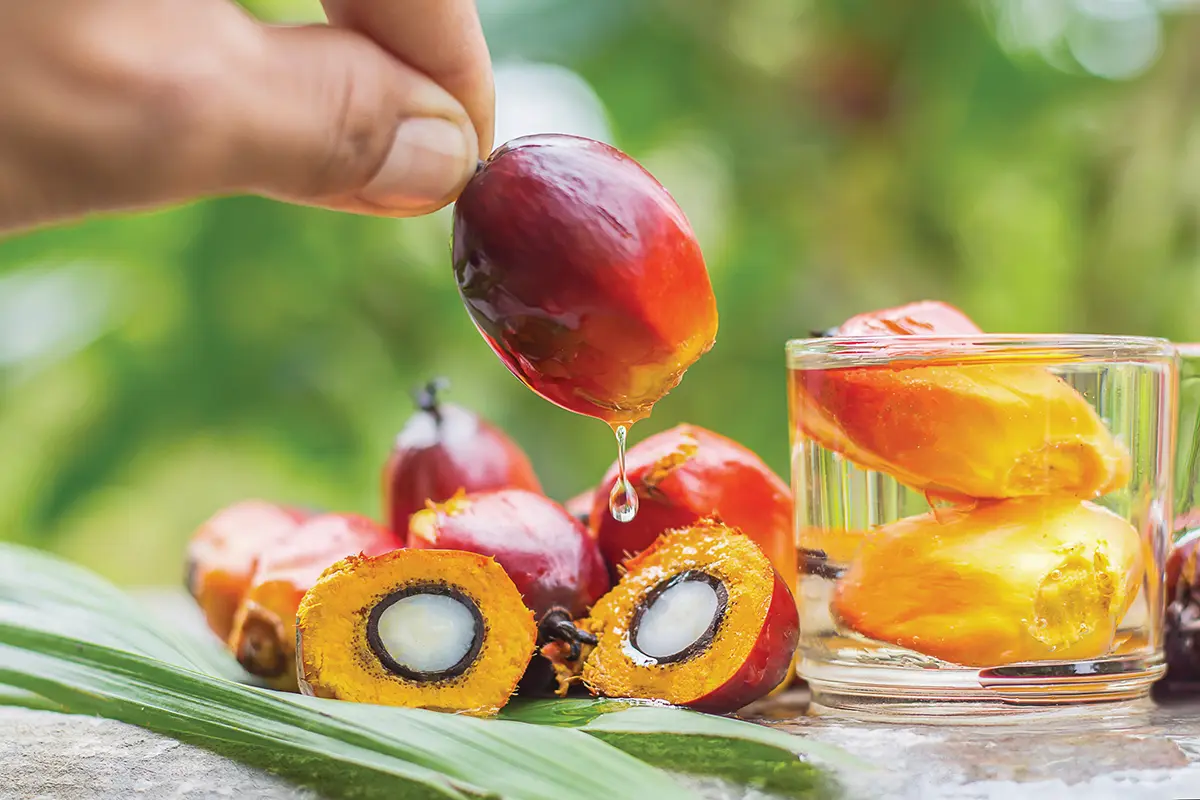
Palm oil is obtained from the fruit and kernel of the oil palm plant, which grows in tropical regions with high rainfall. This plant is a natural part of its ecosystem, but it is also widely cultivated through industrial agriculture. Palm oil is one of the most commonly used raw materials in the processed food industry. The main reasons include its cost advantage, strong oxidative stability at high temperatures, its ability to provide the desired texture and shelf life, and its suitability for large-scale production.

Today, palm oil can be found in many processed products on supermarket shelves. It plays an important functional role especially in biscuits, chocolate, spreads, and convenience foods. Due to these properties, it is also used in many technical ingredients like emulsifiers. As a result, global demand continues to grow every year. However, this increasing demand has also brought serious debates about the environmental impact of palm oil production. Deforestation, biodiversity loss, and sustainability are at the center of these discussions.
Regarding health effects, although there is no clear scientific consensus, palm oil contains saturated fats, like many other oils, and may be associated with cardiovascular risks. However, consumer perception has shifted in recent years, and palm oil is increasingly being viewed as an ingredient to be avoided.
This framework has led to the emergence of new market strategies. How should palm oil be communicated to consumers? Or should manufacturers remove it from their formulations altogether?
The food industry is responding in different ways:
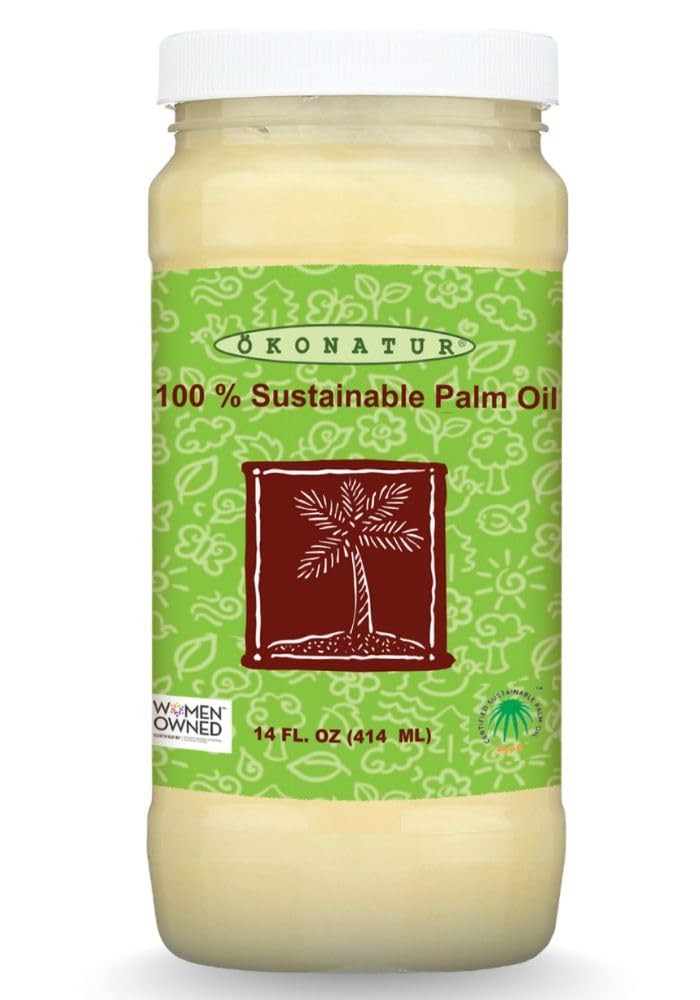
• Some manufacturers maintain their formulations and cost balance while declaring that they use sustainably sourced palm oil for consumers who are not uncomfortable seeing it on the label. They highlight certification logos such as Roundtable on Sustainable Palm Oil on their packaging. These certifications aim to build trust among environmentally conscious consumers.
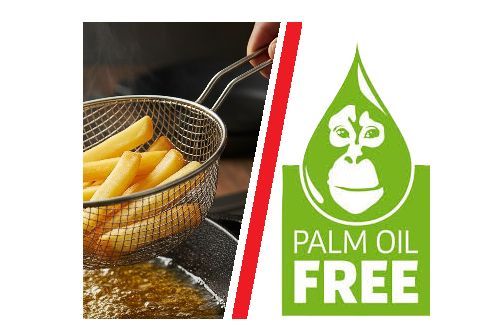
• Others adopt a “palm-free” strategy by reformulating their products. Especially in the premium segment, alternative oils such as olive oil or avocado oil are promoted.

However, there are also many brands that have not taken any action. Considering the number of companies that continue to use palm oil without changing their strategy, it is likely that the transformation of the sector will not be very fast.
In the coming years, we will see which approach becomes more dominant. One thing is clear: current consumption levels are not sustainable, and change is inevitable.
What do you think? Will palm-oil-free products become more widespread, or will sustainably certified products become the industry standard?