
THE END OF “SNOW WHITE”: THE TITANIUM DIOXIDE (E171) BAN
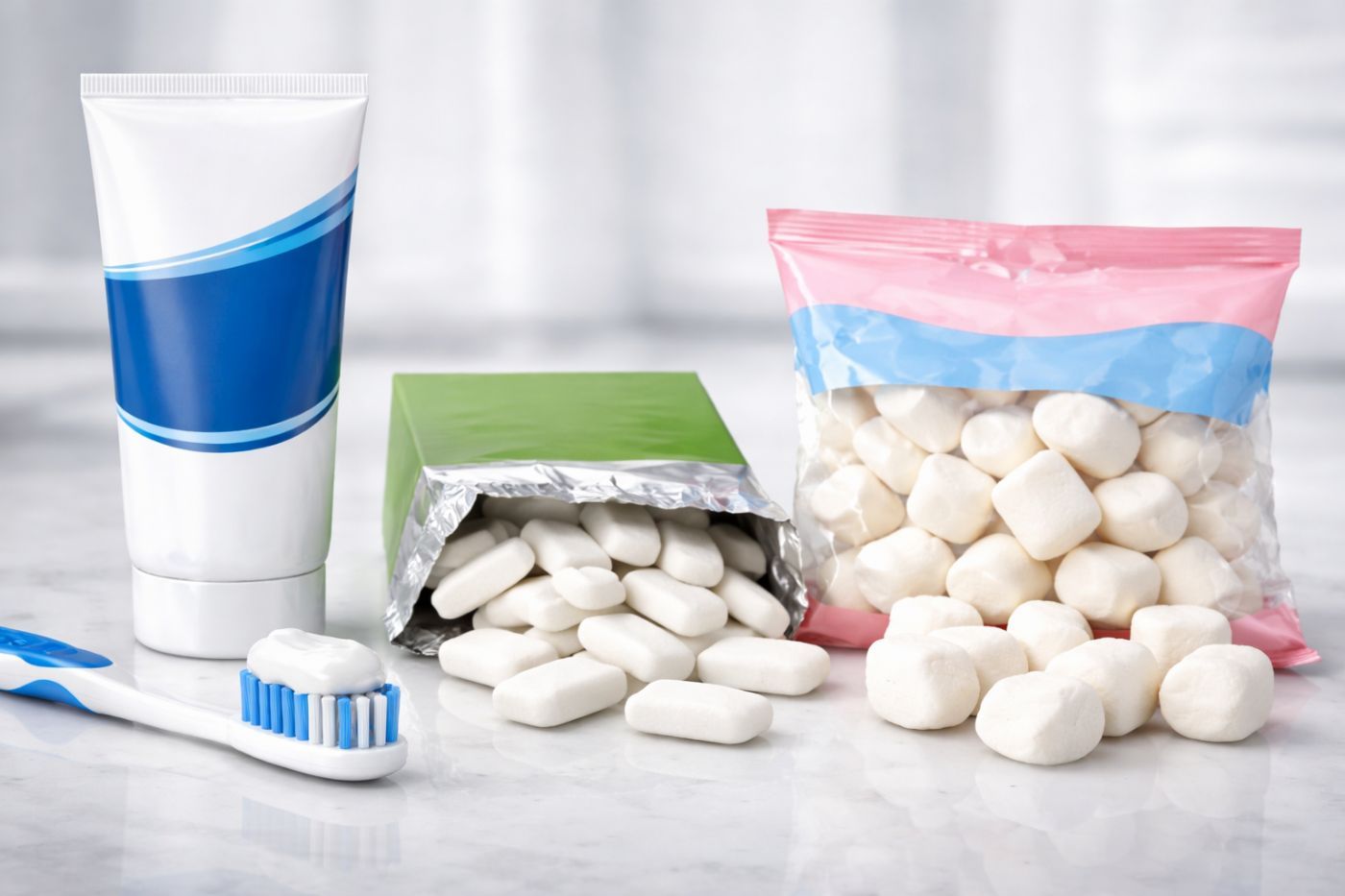
Titanium dioxide (E171) is a white pigment with the highest known refractive index, widely used in food and cosmetic applications. It scatters visible light perfectly, masking dark or yellowish underlying colors even at very low concentrations. It remains stable against heat, light, and pH changes. It is essentially the only substance capable of providing that "snow white" effect in polymeric structures with naturally grey or yellow hues, such as gum base.
While its use is concentrated in products like chewing gum, dragees, and marshmallows, its superior "opacifying" properties also make it a preferred choice in powdered beverages, pharmaceutical tablets, pastry sauces, and sugar pastes. However, the throne of this common and essential compound is no longer secure. In 2021, the European Food Safety Authority (EFSA) removed titanium dioxide from the "safe" category for food. While this change seemed to primarily affect the formulation of gums and white sauces, it effectively condemned thousands of product recipes to immediate revision. So, how was this radical decision reached?
For decades, titanium dioxide was viewed as an "inert" mineral-based substance that was not digested and passed through the body unchanged. Because it was chemically non-reactive, it was considered safe for a long time. However, as technology and analytical methods advanced, it became clear that this substance does not simply "pass through" the metabolism. In its 2016 evaluation, EFSA stated it was "safe based on available data" but added a critical caveat: "There is a lack of data regarding nanoparticle exposure." This was the first technical warning that ignited the process.
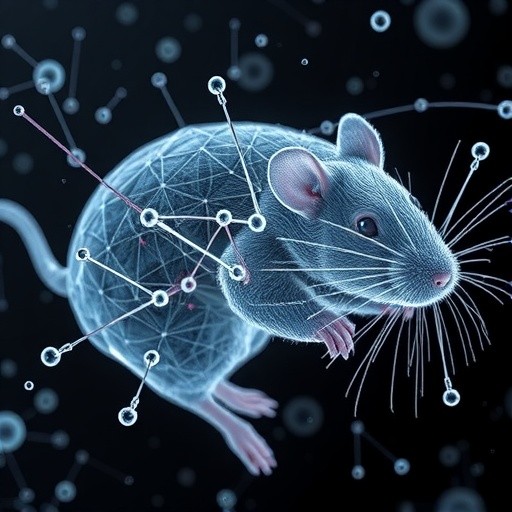
The French scientific agency ANSES, known for stricter food safety standards, found this insufficient and conducted its own risk assessment based on the precautionary principle. Studies on mice concluded that E171 could lead to intestinal lesions and immune system disorders. In these experiments, mice were given titanium dioxide in their drinking water for 100 days, resulting in "pre-neoplastic" (pre-cancerous stage) lesions in their intestines. While some in the scientific community argued that these effects might not manifest identically in the human digestive system, it was proven that nanoparticles could penetrate cell nuclei and accumulate in the body. Since bioaccumulation occurs and the metabolism cannot eliminate this substance through digestion—meaning the risk of genotoxicity could not be ruled out—dosage limits were deemed insufficient. Consequently, titanium dioxide was banned entirely in Europe. In contrast, the FDA in the United States maintains that usage remains safe within a 1% weight limit, arguing that extreme doses in animal studies do not reflect human consumption.
The question for manufacturers remains: What can replace it?
Industry giants have been in a feverish search for years, yet a perfect substitute for titanium dioxide has not been found. Calcium Carbonate is the most popular candidate due to its natural origin and flexible dosage, but its opacity is quite weak. When used in high doses to mimic the effect of E171, it often results in a chalky taste and compromises the product's texture. Another alternative is clean-label-friendly rice starch, though it only provides an "off-white" matte finish.
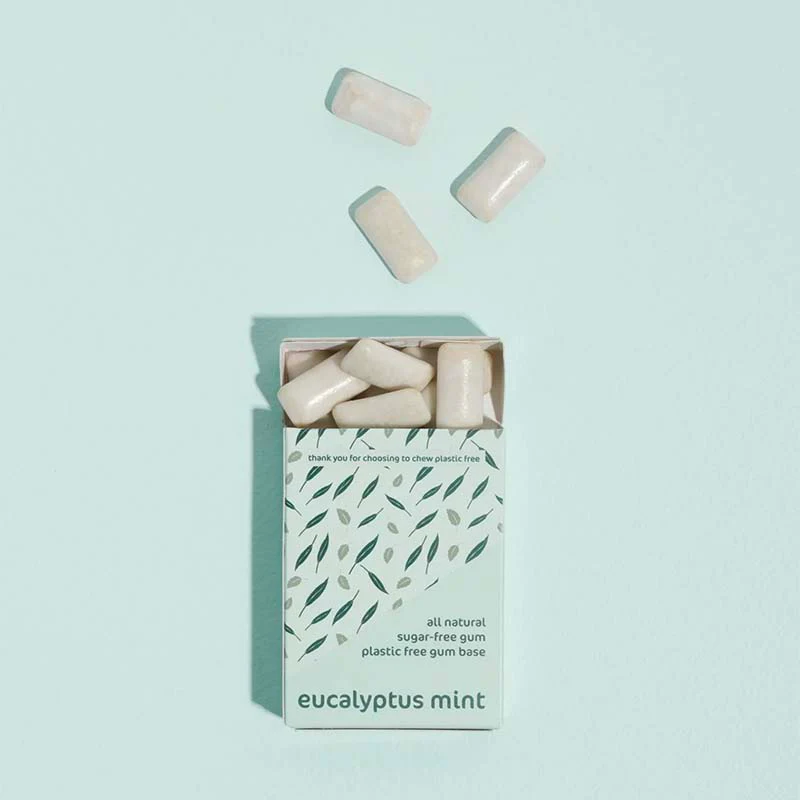
As a result, no one—including the most innovative colorant manufacturers—has truly found a peer to titanium dioxide. This has pushed manufacturers toward a radical shift: Increasing the purity of all raw materials. For instance, in chewing gum, using purer resins and elastomers to produce the whitest possible base without added colorants has become an alternative path. However, this method will undoubtedly drive up costs significantly. To achieve this, manufacturers must select resins and elastomers that are less oxidized, more highly refined, and more thermally stable (non-browning during cooking), which are much more expensive. But if the industry can market this correctly, it may not be a hurdle. Chewing gum could evolve into a more "niche" product, with prices reflecting its natural and premium status.
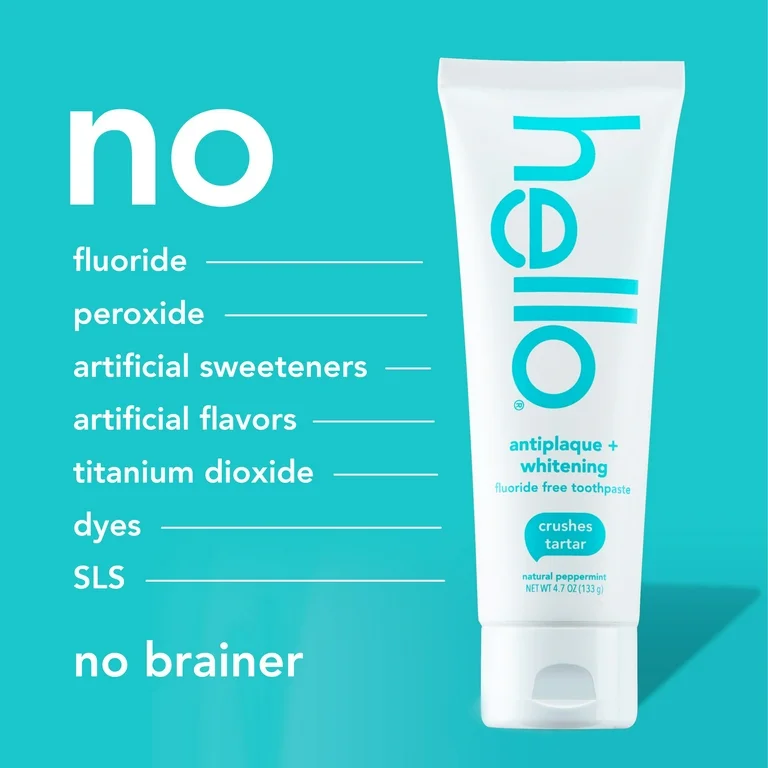
The current situation in Turkey follows European legislation, leading to rapid formulation changes in food. However, its use continues in cosmetics and personal care. Nevertheless, the clean-label trend is gaining momentum in these areas as well, as they become increasingly intertwined with food standards.
What do you think? Does the future hold more natural, translucent gums and "matte" candies? Or will a new natural whitening method be discovered soon?