
THE FUTURE OF SNACKING: INSIGHTS FROM ISM COLOGNE 2026
The European leg of the ISM Sweets and Snacks Fair took place in Cologne at the beginning of February, as it does every year. And true to form, this year’s event was vibrant, colorful, and packed with energy. In recent years, we’ve seen the Middle East leg become a significant trendsetter due to shifting economic balances. However, the food industry continues to showcase its most dynamic and innovative side through the snacks category.
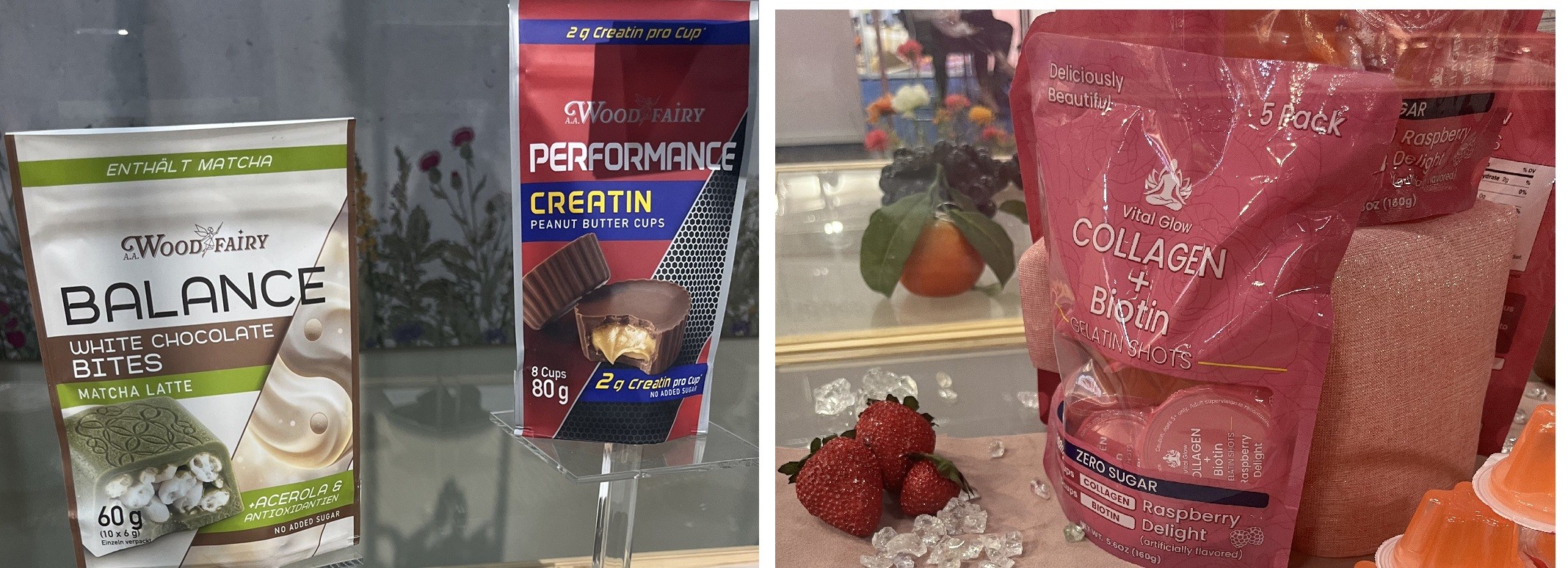
While the trend of low-sugar, high-protein foods continues from previous years, a new focus emerged more prominently this time. We observed a significant increase in functional additives like vitamins, collagen, and matcha being infused into everyday snacks. If you’re thinking, "We already knew that," hold on—the innovations didn’t stop there. Let’s take a closer look at the highlights.
1. Good for the Body and Mind, Great for the Palate
Adding collagen, biotin, or vitamins to gummies isn’t entirely new; the beauty and anti-aging sector is a high-spending market where consumers don’t hesitate to invest. But now, it’s not just about skin, nails, and hair. Snacks are merging with mental wellness and sports nutrition. Think melatonin-infused candies for better sleep, post-workout chocolates for muscle recovery, or antioxidant-rich matcha bars for a steady energy boost.
2. Eco-Conscious and Innovative
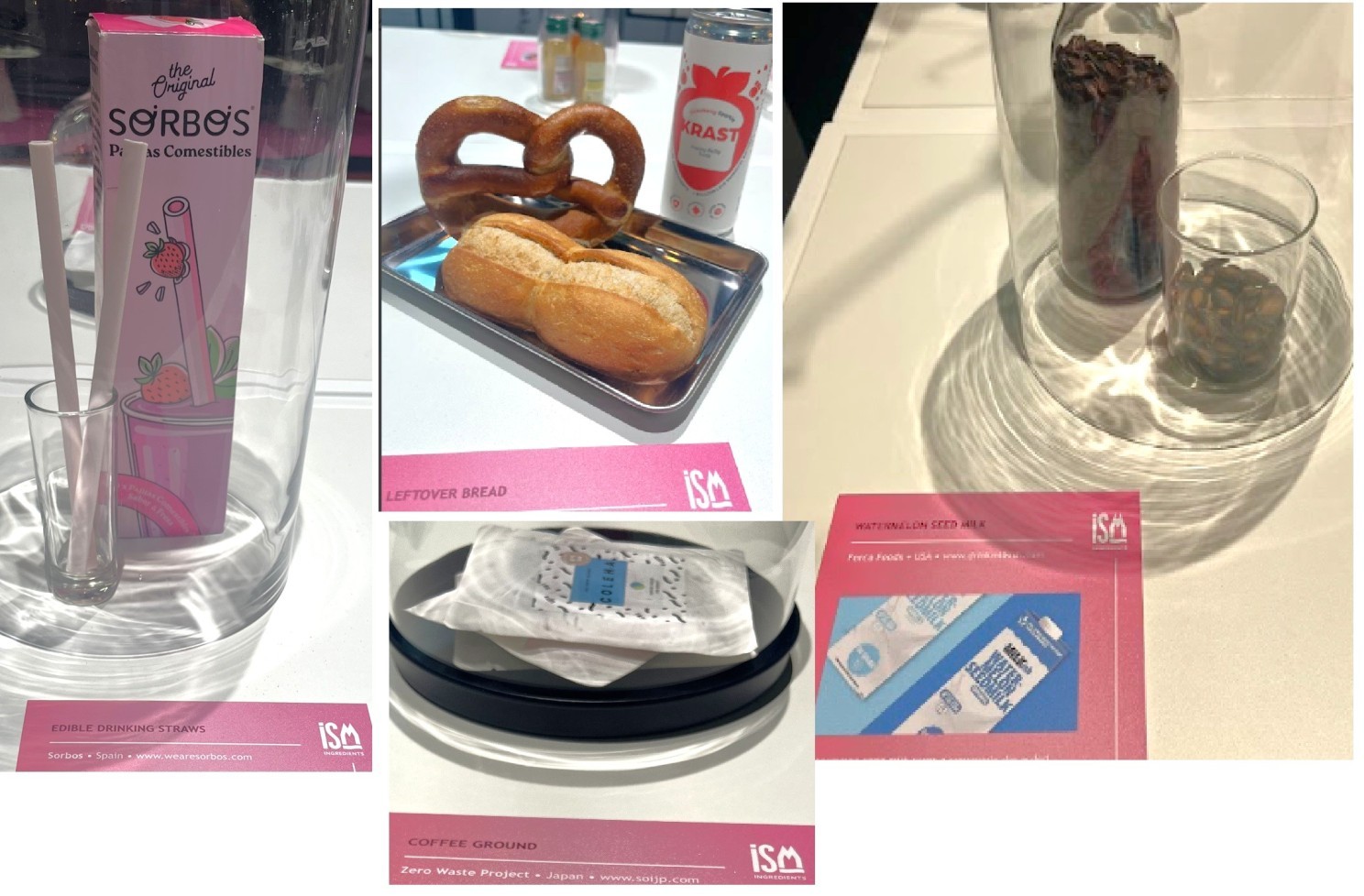
Choosing a product that fits your diet is one thing, but today’s consumer asks: "Is it good for the planet?" Imagine sipping your drink through a biodegradable straw that you can actually eat afterward! For those conscious of food waste, there were breads made from unsold loaves that are re-fermented to preserve nutritional value and labor. Other upcycled innovations included chocolates crafted from coffee grounds, cocoa husks, or oats, and even vegan milk produced from watermelon seeds.
3. Exploring Uncharted Territories
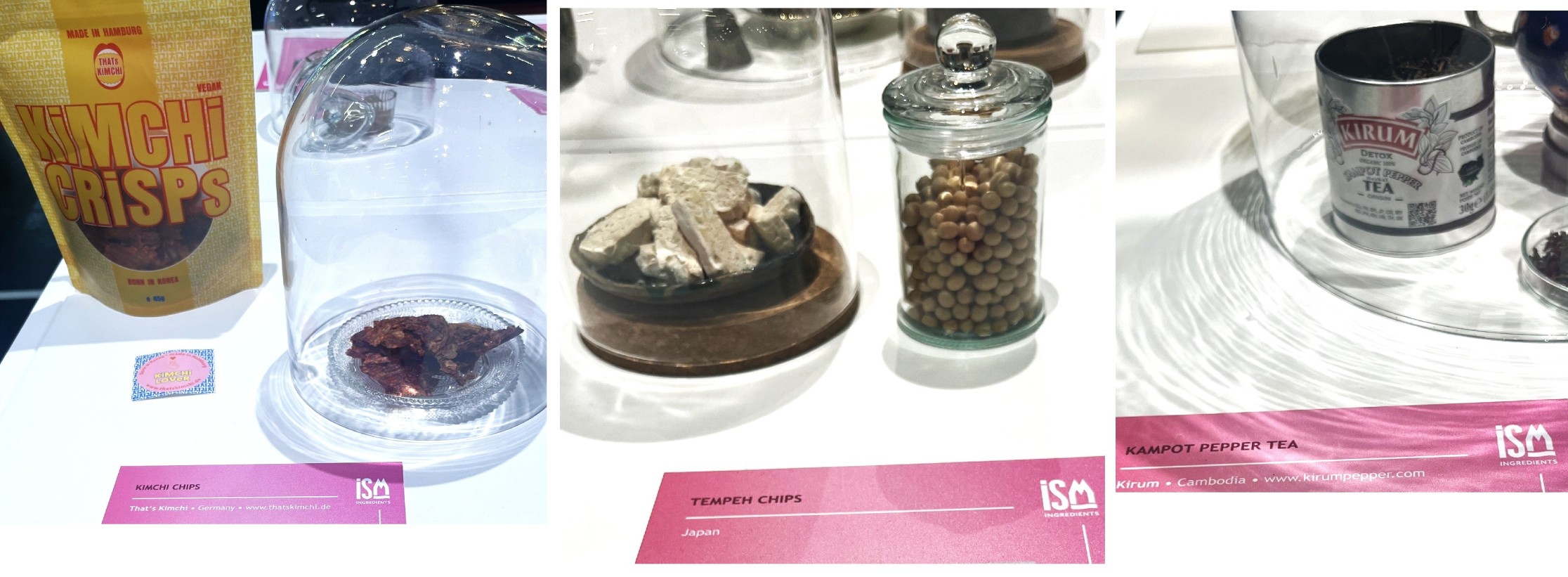
Each year, the fair shines a spotlight on traditional foods from the Far East or South America that haven't quite hit mainstream supermarkets yet. Just as quinoa, avocado, and matcha became staples under the "superfood" label, new players are entering the scene. Among the newcomers were black pepper tea from Cambodia (used for digestion), fermented vegan tempeh crackers from Japan, and kimchi transformed into crispy chips from China.
4. Where Tradition Meets Science
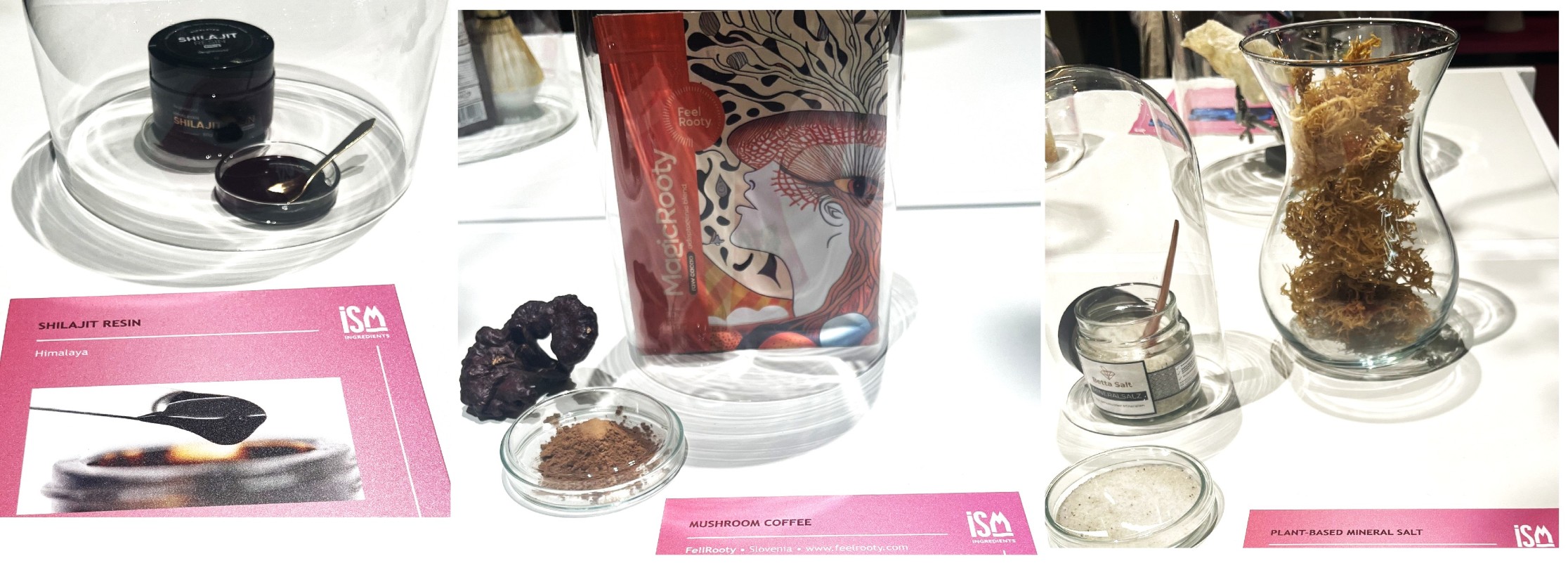
While thickeners like carrageenan from seaweed have been around for a long time, new research has found a way to produce mineral-rich salt from the same source. Another standout was "Shilajit," a resin-like substance used in Ayurvedic medicine, now being introduced for its rich antioxidants, trace minerals, and energy-boosting properties. Mushroom coffee was also a major talking point. The ability of mushrooms to support mental health and provide clean energy is a hot topic for health professionals. Some species even show promise in supporting disease treatments, leading to the inclusion of mushroom extracts in functional snacks to boost immunity.
5. Emotional Bonds and Cultural Codes
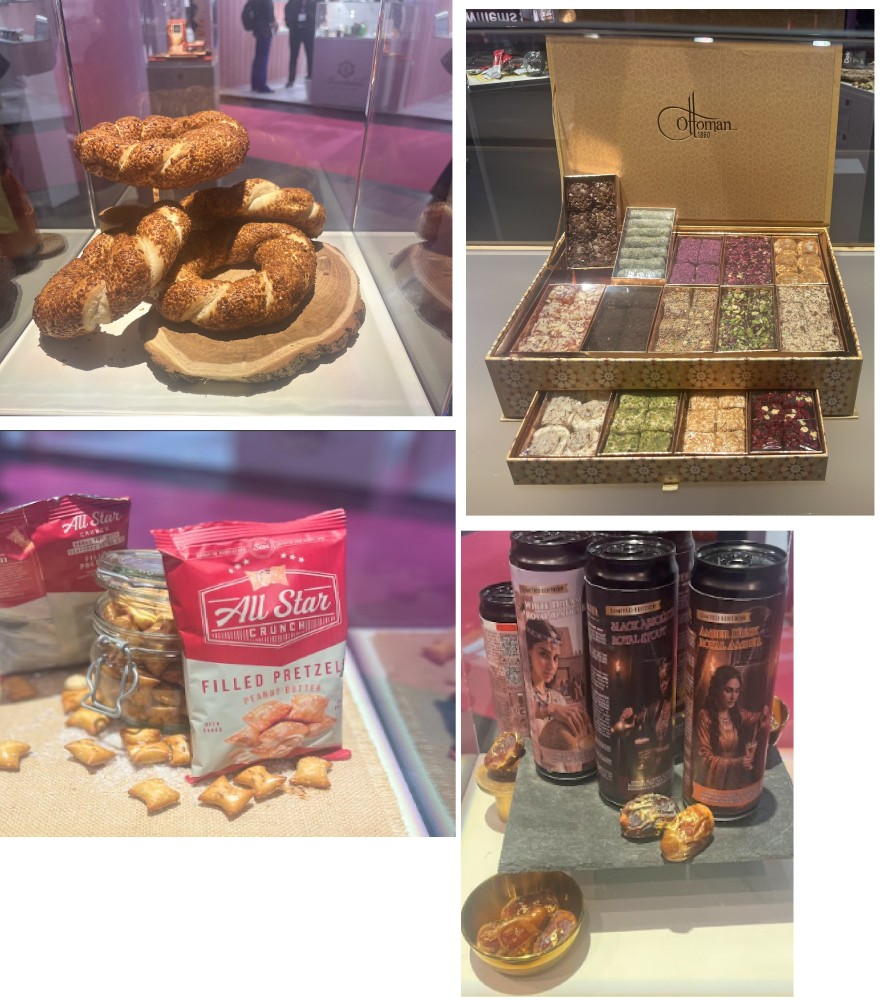
If you asked someone from Türkiye to pick a food that represents their country, most would say "simit." Seeing the iconic sesame bagel at ISM was a delightful surprise! We smiled as we realized it is, in fact, a perfect, satisfying snack. We also saw "Ottoman" Turkish delights, which, surprisingly, are often overlooked at international snack fairs despite their global fame. Meanwhile, Germany’s famous pretzel made its way into everything from crackers to chocolate. From the Middle East, date juice made a dual appearance: both as a non-alcoholic soft drink and a fermented alcoholic beverage.
6. New and Unique
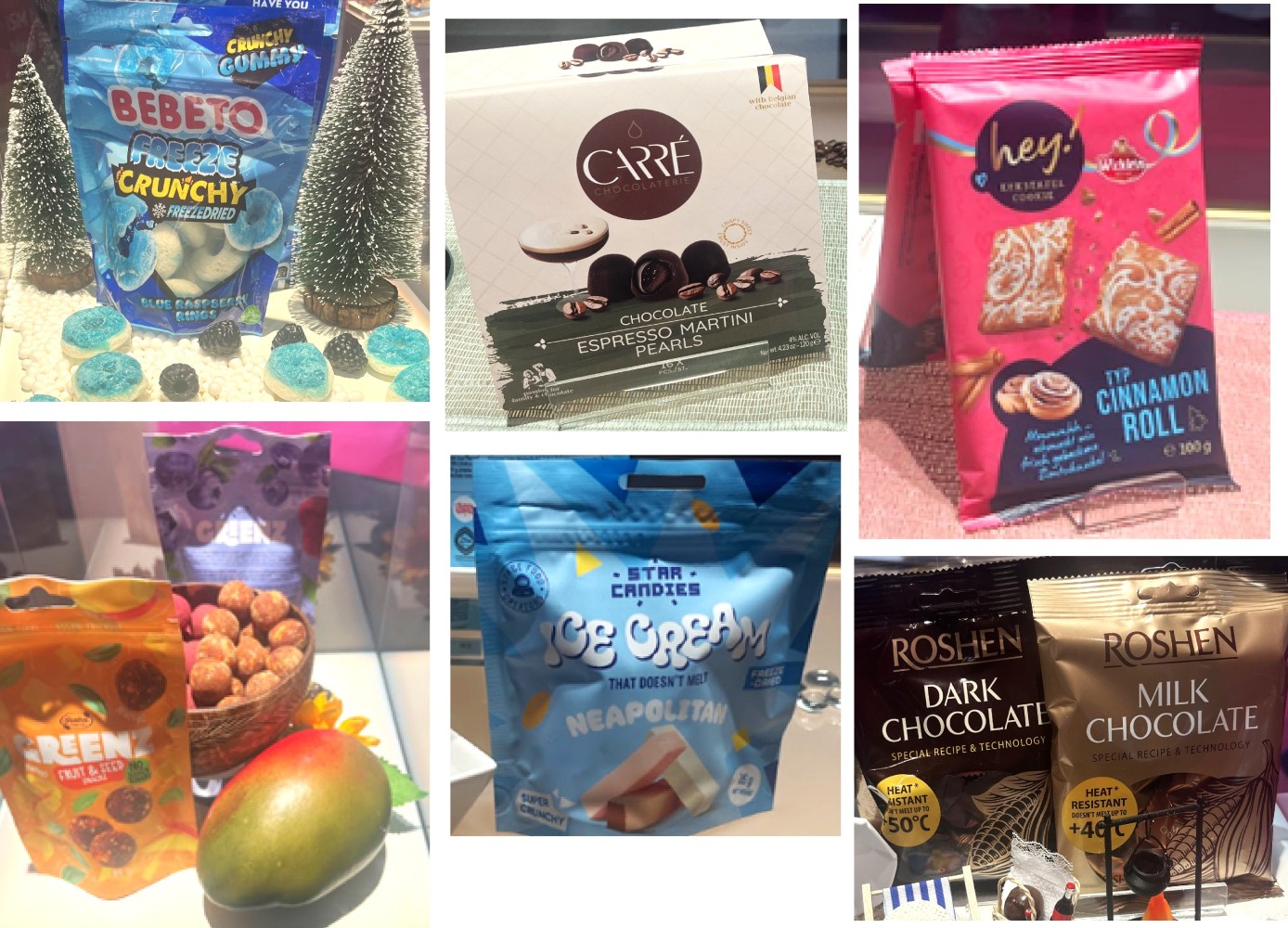
There were, of course, products that were just plain fascinating. We saw "heat-resistant" chocolates that don't melt even above 50°C, freeze-dried ice creams and candies that maintain their crunch, cinnamon-roll flavored biscuits, espresso-martini infused chocolates, and sugar-free vegan energy balls made from fruit seeds.
It is no surprise that the snack sector remains the most R&D-heavy and innovative branch of the food industry, fueled by the constant interaction between producers and consumers. We can’t wait to see which of these products will become household names by next year and which will be left behind.