
THE GLOBAL PROTEIN SHIFT: CONSUMER CHOICES AND ITS EFFECT TO THE FOOD INDUSTRY
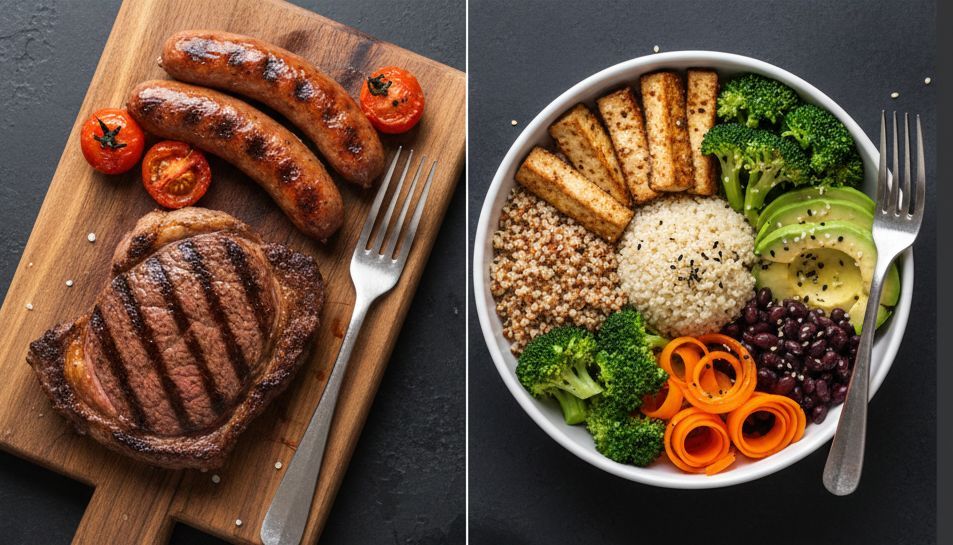
For decades, meat consumption was considered a primary indicator of economic prosperity. Especially in developed nations like the United States, high per capita meat consumption was interpreted as a sign of access to healthy, affordable food.
However, today’s data tells a more complex story. We are witnessing a significant divergence: while meat consumption in North America continues to hit new records every year, Europe (EU) has broken away from this trend. In the last 15 years, meat consumption in Europe has declined by approximately 19%. This gap is increasingly being filled by the "green area" on the chart—plant-based and alternative proteins.
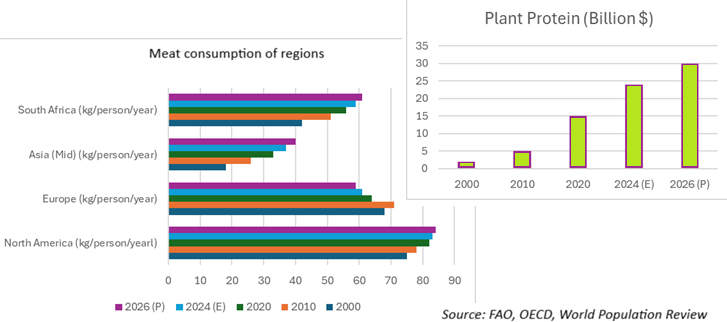
The "Western diet" is no longer a monolith. A profound shift in consciousness is occurring across different geographies. Plant-based nutrition is spreading rapidly in economically strong societies that prioritize environmental sustainability, animal welfare, and ethical consumption. Furthermore, the perception that plant-based snacks are "healthier" is gaining momentum. Consumers choosing these products also demand "clean labels," fewer synthetic additives, and transparent production processes.
How is this consumer shift reshaping the food industry?
1. Vegan Protein: An Alternative That Reduces "Guilt"
As the importance of protein in a healthy diet becomes a mainstream topic, consumers are paying closer attention to protein intake relative to muscle mass and physical activity. However, not all proteins offer the same bioavailability, and the carbohydrate/fat matrix significantly affects metabolic response.

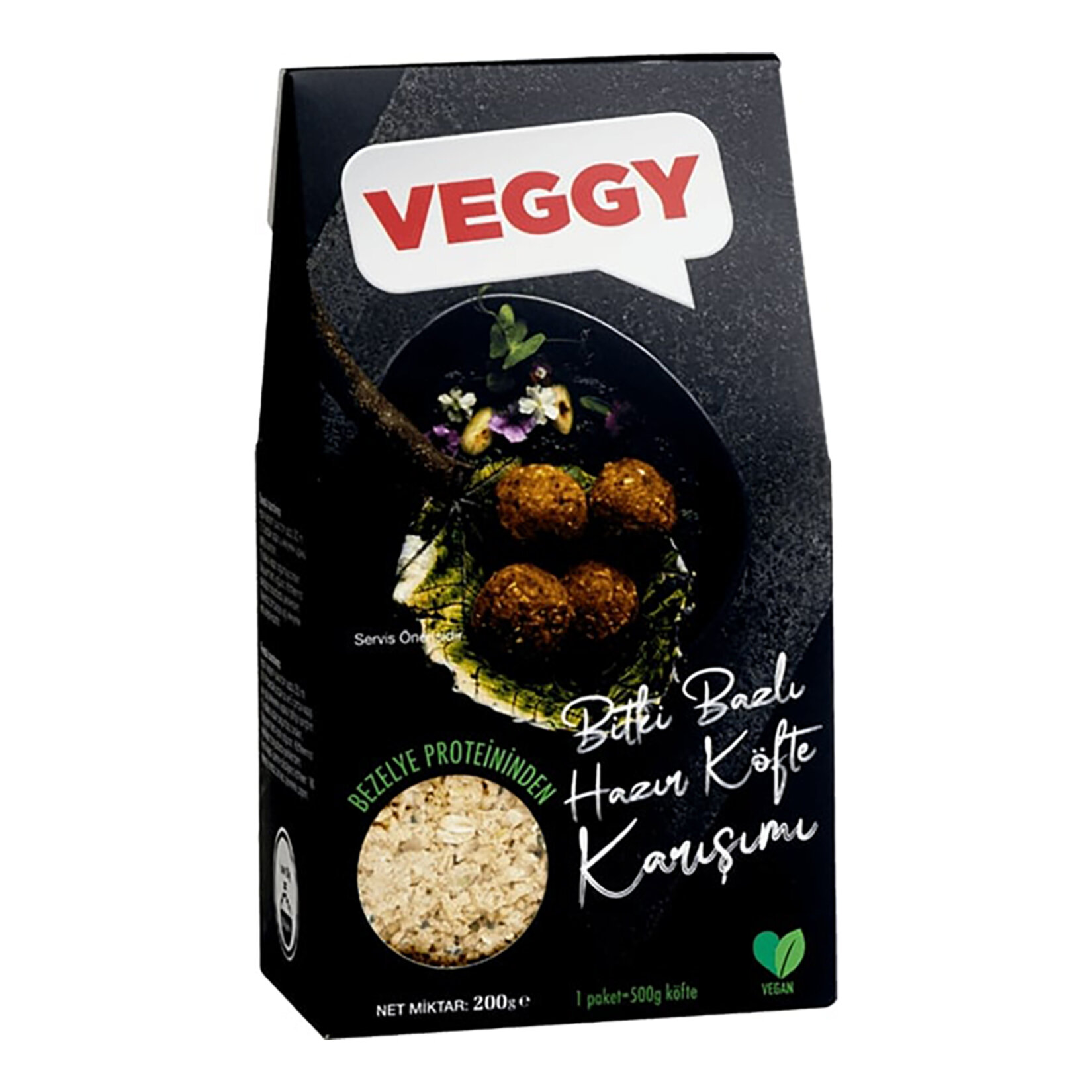
For a long time, protein concentrates derived from milk and whey were the gold standard for high-protein snacks. While these remain popular, the environmental footprint of concentrated animal protein is under heavy scrutiny. This debate is driving the development of alternatives that allow environmentally conscious or vegan individuals to access high-protein products. Today, plant-based versions of everything from American burgers and Turkish meatballs to Italian ravioli and German sausages are readily available on supermarket shelves.
2. Safety and Shelf Life: Does Plant-Based Have the Edge?
Animal products inherently carry higher risks regarding certain pathogens, making supply chain integrity, cold storage, and hygiene critical. Plant-based products are often perceived as "safer" by consumers because they do not harbor zoonotic pathogens. Additionally, the ease of cooking and the lower risk of cross-contamination before or after preparation offer a distinct advantage.
Furthermore, plant-based protein products generally contain higher fiber and complex carbohydrates, providing consumers with benefits in terms of glycemic response and satiety.
3. Can It Truly Replace Animal Protein?
One of the most debated topics remains the bioavailability of vegan proteins. Food and health professionals have long questioned whether plant-based proteins are equivalent to animal-derived ones.
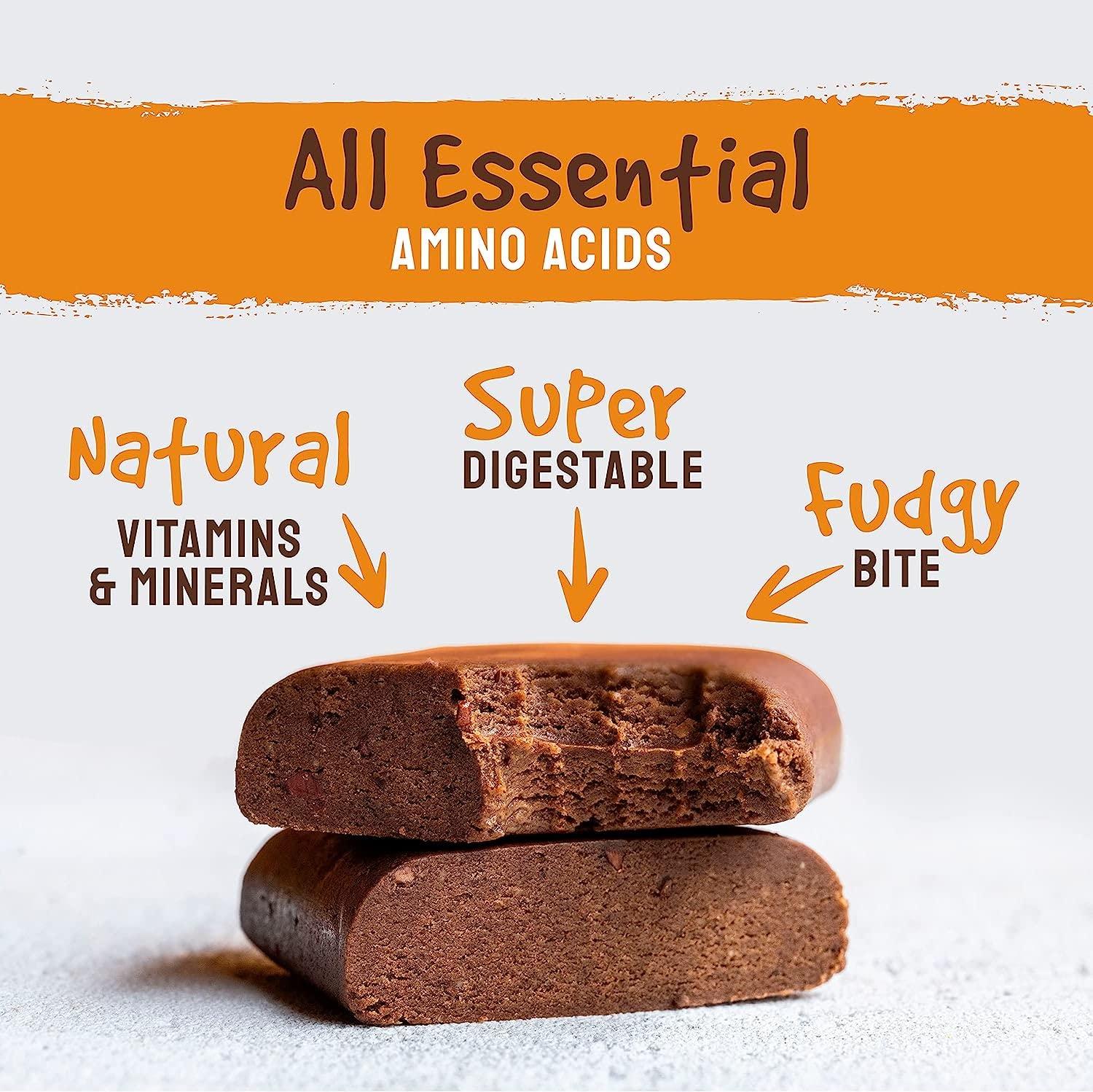
The current consensus suggests that with a balanced diet and the right protein combinations, plant-based sources can be a sufficient alternative. The key lies in creating combinations that complete the essential amino acid profile—such as blending pea and rice proteins. We are now seeing the production of innovative snacks that make a full vegan diet possible while providing all essential amino acids.
4. The Evolution of Ingredients and Technology
This transformation in consumer demand represents more than just a new category for food manufacturers; it is a new frontier for technology and formulation. Extrusion technologies, texturization, functional fibers, and emulsifiers are becoming critical in improving the texture of plant-based proteins. Simultaneously, parameters such as water-holding capacity, mouthfeel, stability, and shelf life are taking center stage in R&D processes.
Beyond the lab, manufacturers are focused on cost-efficiency, sustainability, and supply chain management. After all, today’s consumer doesn’t just want "vegan"—they demand products that are accessible, sustainable, and, above all, delicious.
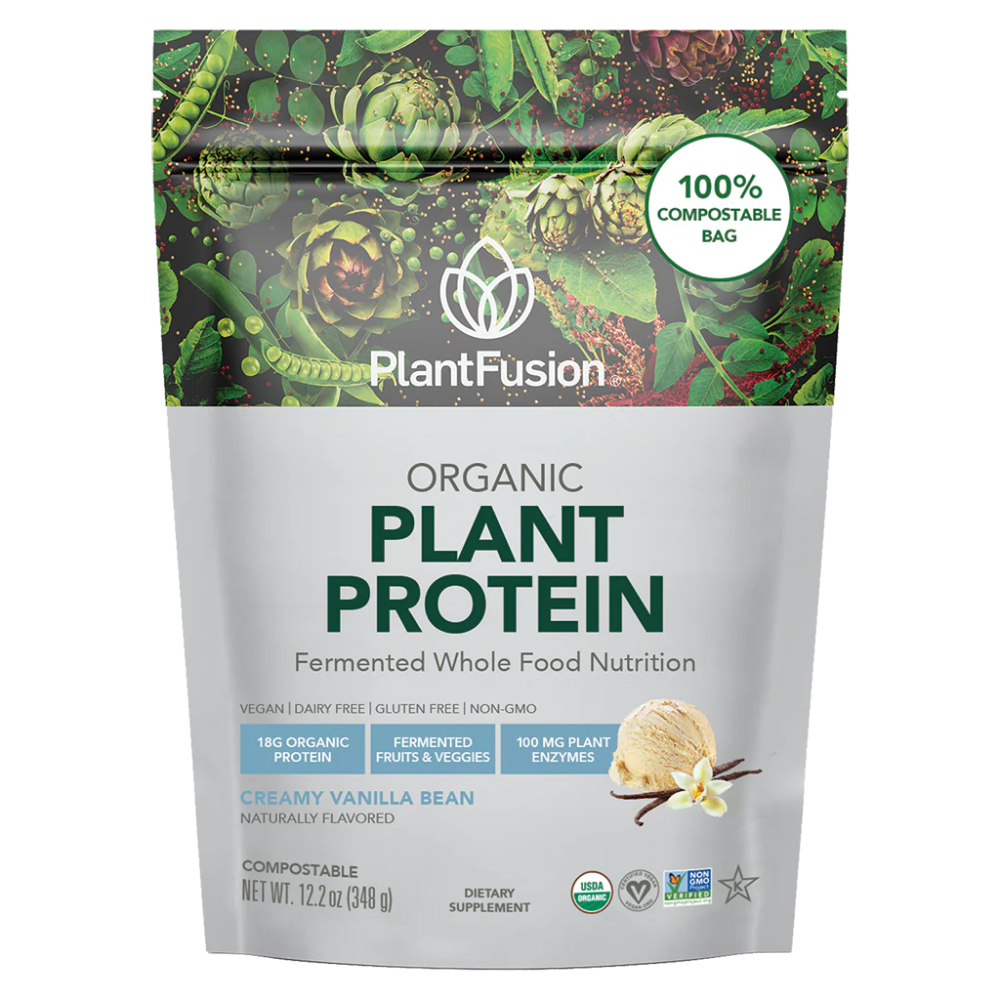
It seems the only constant is the growing interest in high-protein snacks. However, this interest is no longer just about nutrition; it is being shaped at the intersection of sustainability, safety, and technology.
What are your thoughts on this global transformation?