
THE TASTE OF RED: NATURAL COLORANTS
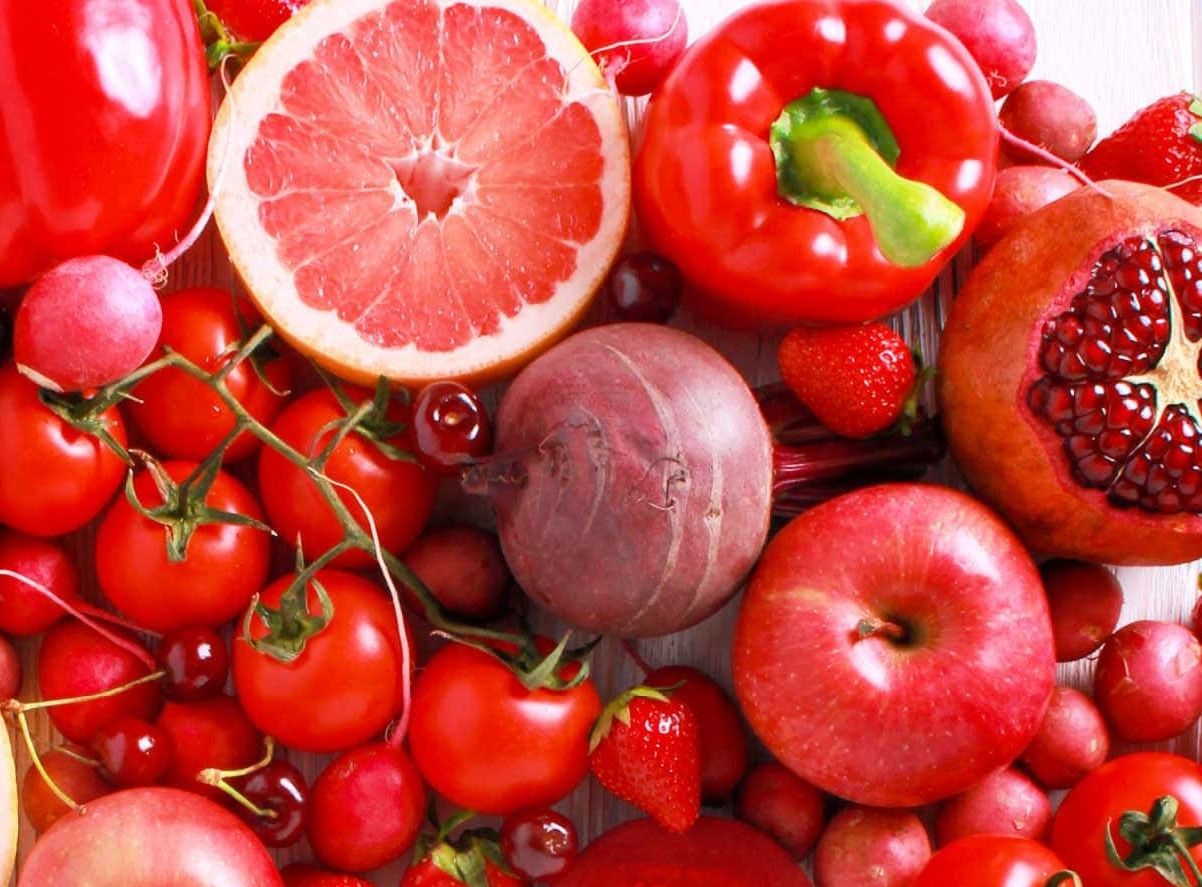
In nature, the color red is usually a sign that a fruit has ripened and its sugar content has reached its peak. Therefore, red-colored snacks naturally grab our attention and shape our perception of flavor. Sensory analysis shows that when consumers are presented with two products of the same flavor, they perceive the red one as having a "more intense fruit taste." In other words, the color of a product directly dictates our perception of its flavor.
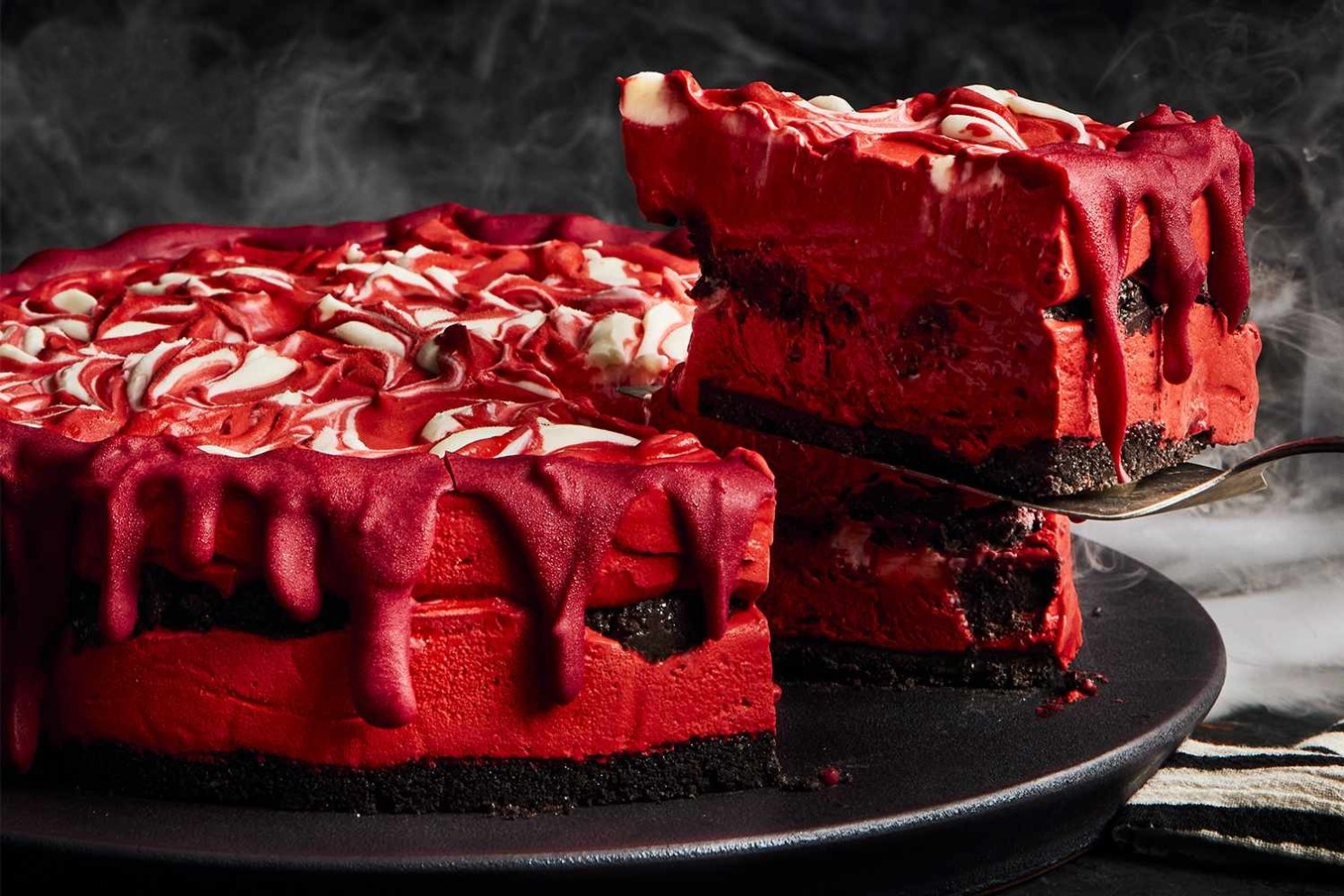
The rising popularity of products with intense red hues, such as red velvet cake, is a testament to the appetite-stimulating power of red. This phenomenon, known as "Visual Hunger," is a scientific concept that defines the intersection of our biological evolution and modern consumption habits. In its simplest form, visual hunger occurs when exposure to images of high-calorie, bright, and attractive foods triggers real hunger signals and a desire to eat in our brains. Even if our stomachs are full, seeing a food image causes the brain to release dopamine, increases levels of the "hunger hormone" ghrelin, and stimulates the brain's reward center. For this reason, red—and specifically natural red in today's market—is an indispensable element in industrial food production.
Does a natural and stable red actually exist? Yes, it does, and it seems even better solutions are on the horizon. Thanks to recent advances in food technology, it is now possible to achieve a red that is both natural and stable. This is not achieved through a "single miracle ingredient," but through advanced engineering solutions. One of these is encapsulation technology; with this method, the color pigment is coated at a microscopic level with a protective layer (usually plant fibers or starch). This "armor" protects the pigment from baking heat or sunlight in beverages. Thus, the color remains stable without fading throughout its shelf life.
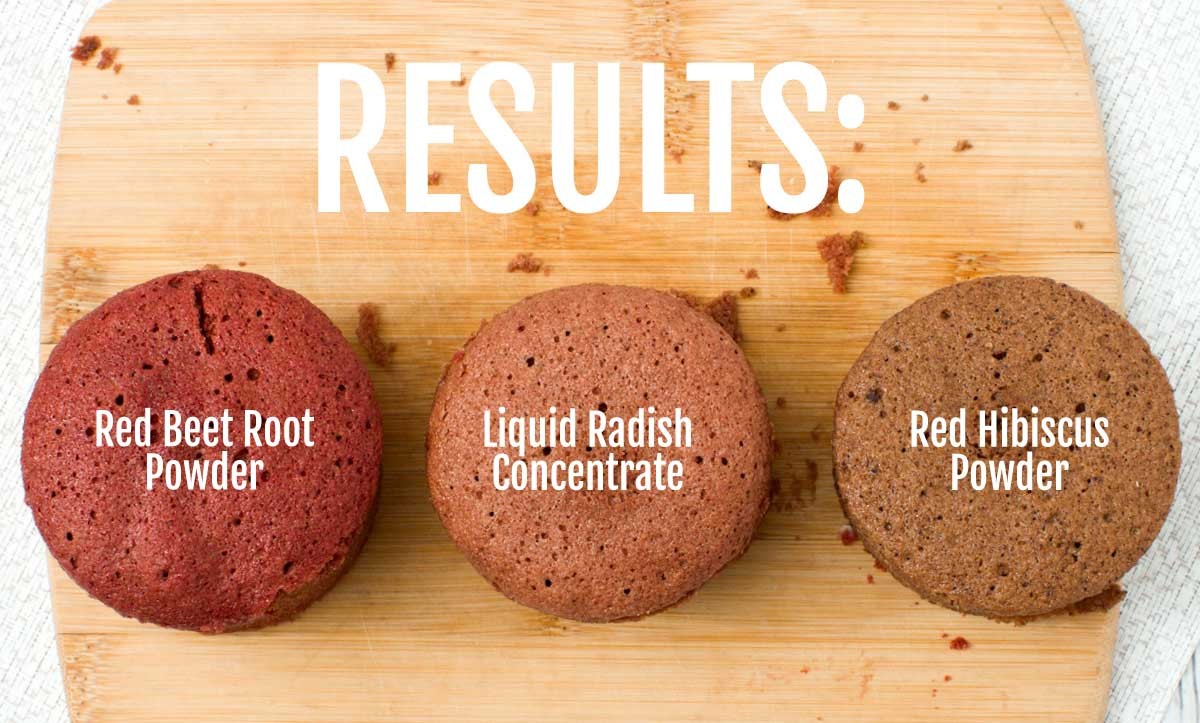
Another method is formulation engineering. Instead of a single plant, "cocktails" of different plants resistant to various conditions are now used. When sources like black carrot, blackcurrant, and hibiscus are blended in specific ratios, they balance each other's weaknesses (such as pH sensitivity). To capture that famous "bright pink-red" tone of carmine, black carrot concentrate can be blended with safflower yellow to reach the exact visual standard required.
Finally, there are new-generation sources that are still natural but produced under laboratory conditions. These include algae, fungi, and yeasts. Certain specialized fungi species (e.g., Talaromyces atroroseus) can naturally produce intense red pigments. This method is both sustainable and does not require "insect harvesting." Algae are also significant resources in this field. Micro-algae that survive in extreme conditions offer pigments that are naturally resistant to high heat, solving the "color fading" problem experienced during baking and pasteurization processes.
If you are wondering which of these options is best suited for your product and budget, we are ready to be your solution partner. You can write to us for detailed information, samples, and pricing.