IS THERE AN ALTERNATIVE FOR GELATIN?
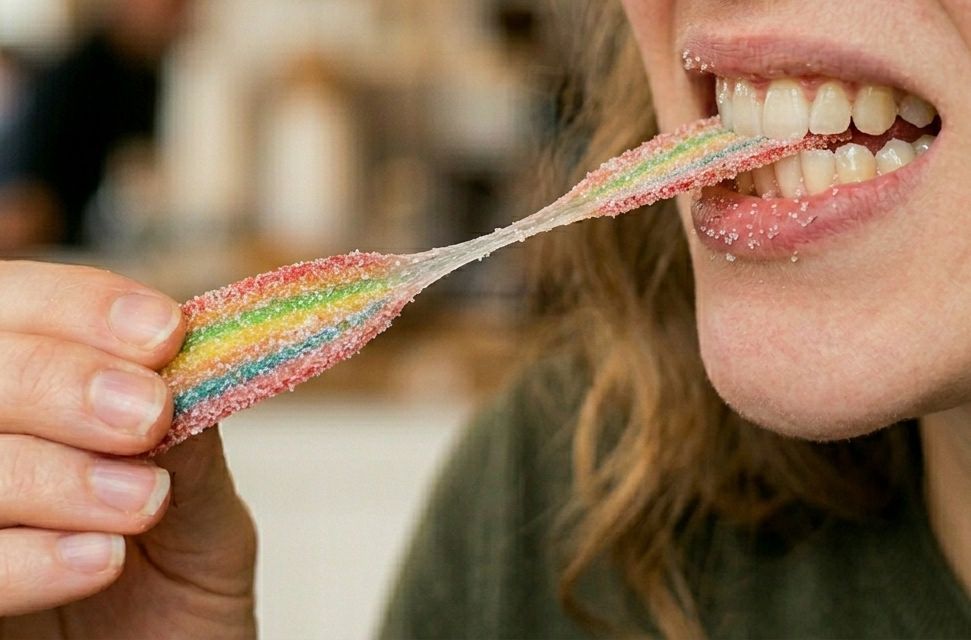
Gelatin is a high-molecular-weight protein obtained from animal collagen through partial hydrolysis. The characteristic that makes it critical in confectionery formulations is its ability to form a thermoreversible network. What does this mean? Gelatin molecules hold onto each other via hydrogen bonds in the cold to form a three-dimensional network structure (gel). However, these bonds are quite weak. When the temperature rises above approximately 35°C—that is, with body heat—these weak bonds break, the protein chains separate, and the gel structure dissolves and liquefies. When you remove the heat, the bonds reform.
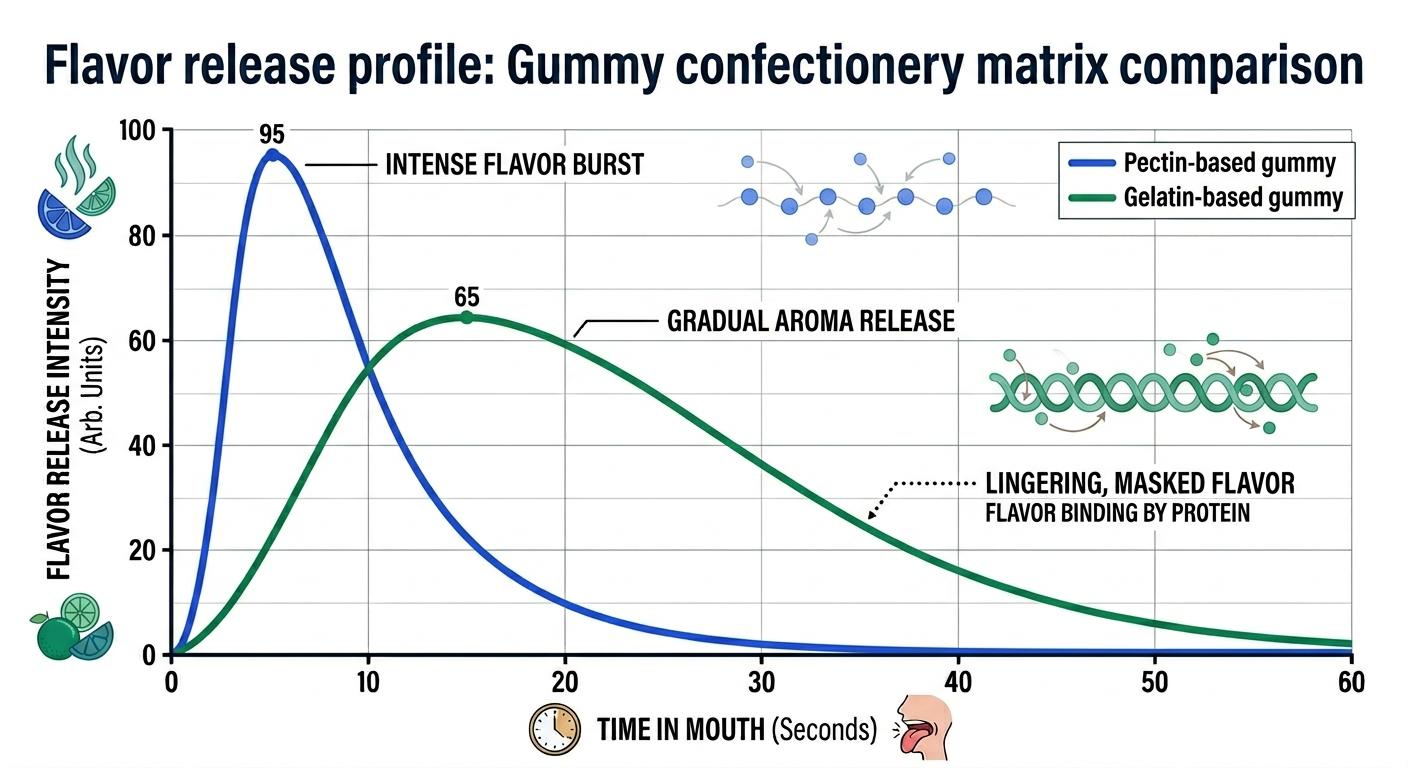
When you put a candy containing gelatin in your mouth, you begin to perceive the flavor immediately because the aroma is released due to this thermal property. Not only that, but because it is a protein, the gel formed by weak hydrogen bonds reforms when there is no biting or mechanical stress; in other words, it creates an elastic and chewy structure.
So, how do these typical characteristics we are accustomed to compare in other thickeners?
The most frequently preferred thickeners in the confectionery sector instead of gelatin are carbohydrates, namely polysaccharides, such as agar agar, pectin, carrageenan, konjac gum, and modified starch. Unlike proteins, although carbohydrates can form stronger gel structures, they provide a more "brittle" structure. In other words, when you eat a vegan gummy, even if the first bite requires force, you do not experience the sensation of melting and elasticity in the mouth. Additionally, to perceive the aroma, you must break the gel—meaning you must chew it; it does not melt in your mouth. This is because these plant-based thickeners are stable far above body temperature. This situation turns into an advantage in logistics and storage. Gelatin-based candies lose their form in the summer months or under unsuitable transport and storage conditions. Whereas, for example, agar agar maintains its gel state up to temperatures above 80 degrees.
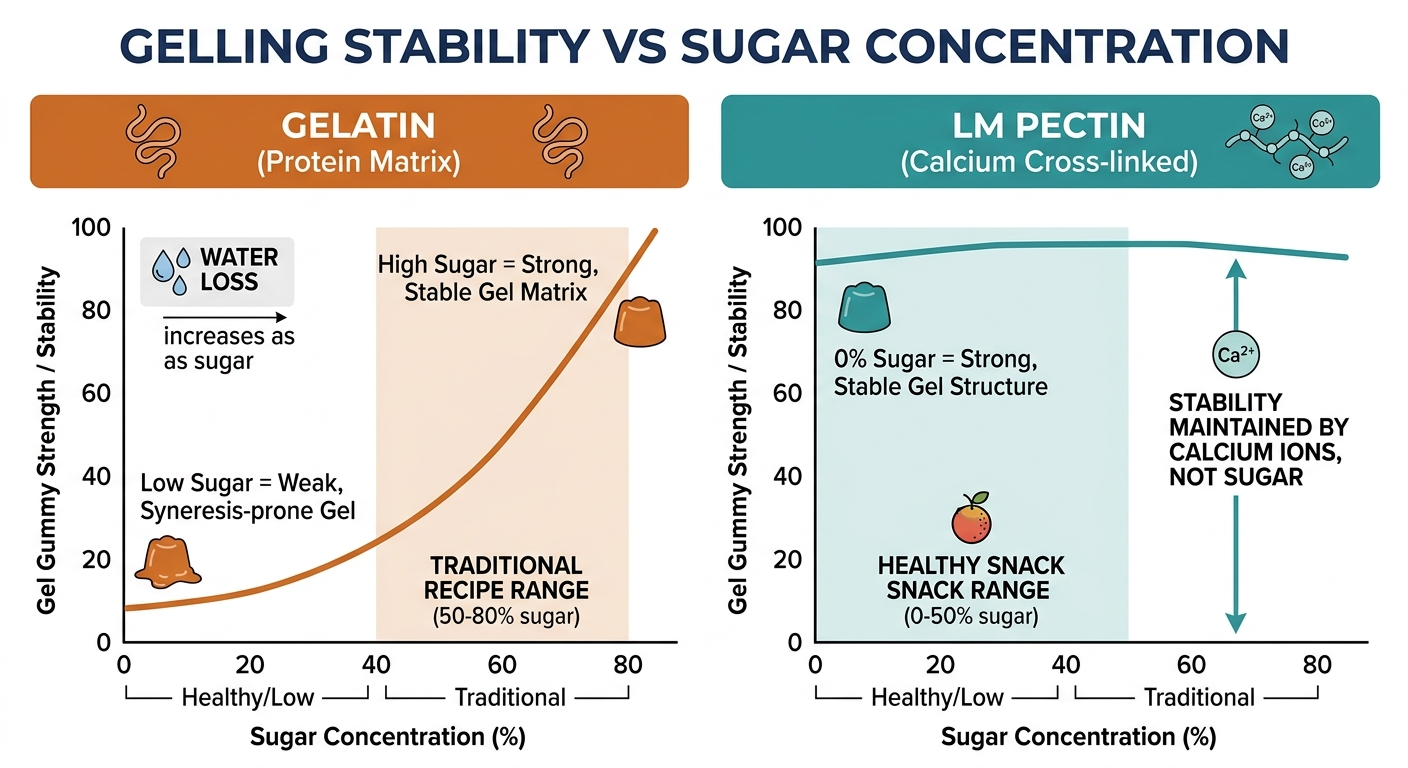
Looking at industry trends, agar and pectin, which are frequently preferred in new products, work more synergistically with fruity/acidic ingredients, so the slightly perceptible animal taste of gelatin is absent in these products. In fact, because they are carbohydrate-based, a clearer and sharper fruit taste is perceived. On the other hand, the confectionery sector has turned towards high-fiber and low-sugar snacks due to the increasing tendency of consumers to consume healthy food; gelatin's process, which requires a high sugar content, cannot respond to this new trend.
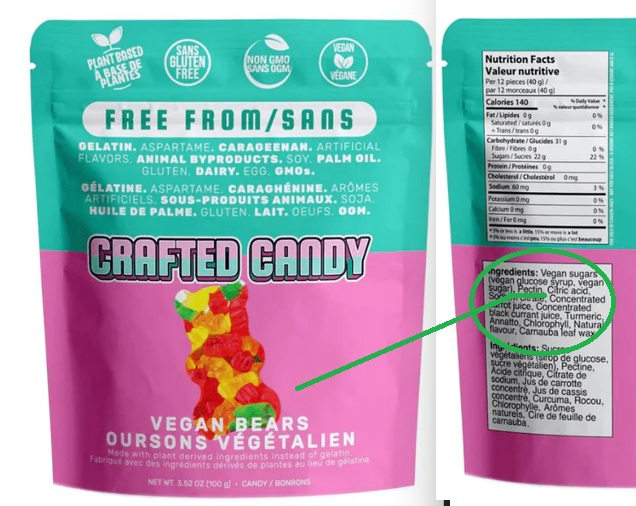
Gelatin needs a high rate of sugar (solids) to establish its structure. When you reduce the sugar significantly, the gelatin matrix loosens and becomes open to microbial spoilage. However, agar agar forms a very strong gel even at a usage rate of 0.5% and leaves more room for ingredients like fruit puree in the recipe. Low-methoxyl pectins are options that can form a gel without sugar. Gels formed by pectin with buffer salts, especially calcium, can be made stable even if the sugar content is very low.