


ARE HEALTHY FOODS TASTELESS?

One of my favorite snacks as a child was a chocolate-coated treat with hazelnuts inside and a cream layer on top. Finding that chocolate in the bowl during holidays would make me so happy, and when someone asked if I wanted another one, I'd say yes with a little hesitation — because my mother's expression made it clear I shouldn't be eating too much of something so sugary and fatty.
Today, even as the prevalence of obesity, public health research, and growing consumer awareness have fueled the trend toward healthier snacks, a portion of consumers still perceive unhealthy, high-calorie foods as more delicious. The increasingly popular weight-loss injections and new formulations are being developed precisely to rewire the reward mechanisms of people who are almost addicted to these kinds of sugary, salty, or fatty foods. So how does the reward mechanism created by unhealthy, high-calorie foods actually work?

The orbitofrontal cortex in the brain is a center that represents the sensory properties and reward value of food. This region processes not just the temperature and appearance of food, but also its physical structure — its softness or chewiness. These inputs come together to shape our perception of flavor. But flavor perception is quite complex; we don't enjoy every meal with the same pleasure every time. As the saying goes, it's hard to please a full stomach — our current hunger level, motivation, expectations, and even the setting, our emotional state, or the people around us can all influence how we perceive flavor. But let's set aside the psychological factors and ask: what does the physical structure of food change?
When we put food in our mouths and start chewing, it breaks down, mixes with saliva, and begins to be detected by our taste receptors. The smaller the pieces become, the more intensely we perceive the flavor. But when there are layered or heterogeneous pieces, the increased contact (friction) with taste receptors amplifies the perceived flavor intensity. Just like those three different layers in that chocolate I loved, flavor intensity is shaped by properties such as chewiness, fattiness, or sweetness. So what do these factors mean for our flavor perception?
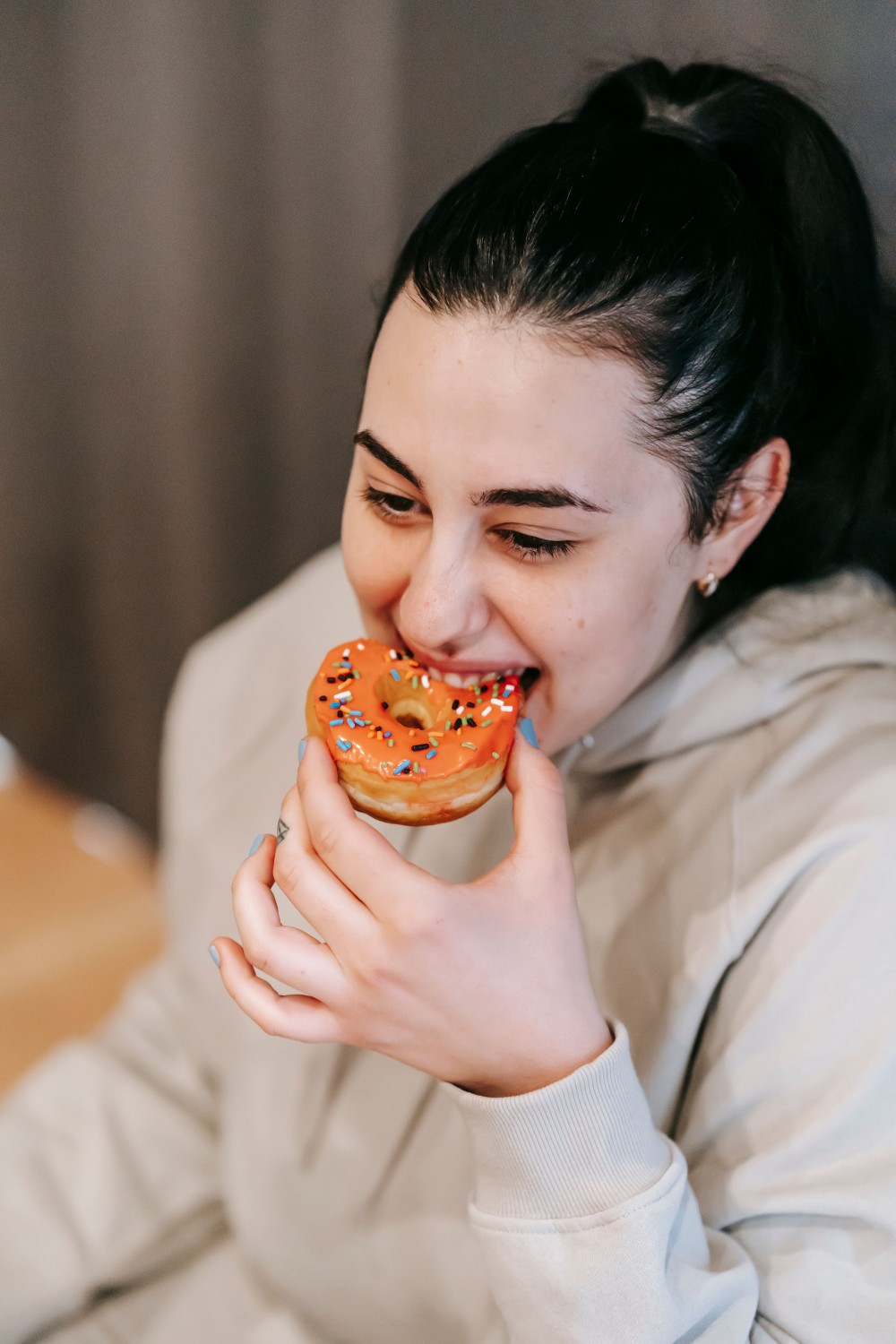
Our brains are evolutionarily wired to code crunchiness in food as freshness, fattiness as caloric density, and sweetness as ripe or non-bitter. But the reward mechanism isn't limited to what we sense in the mouth. What happens after we swallow?
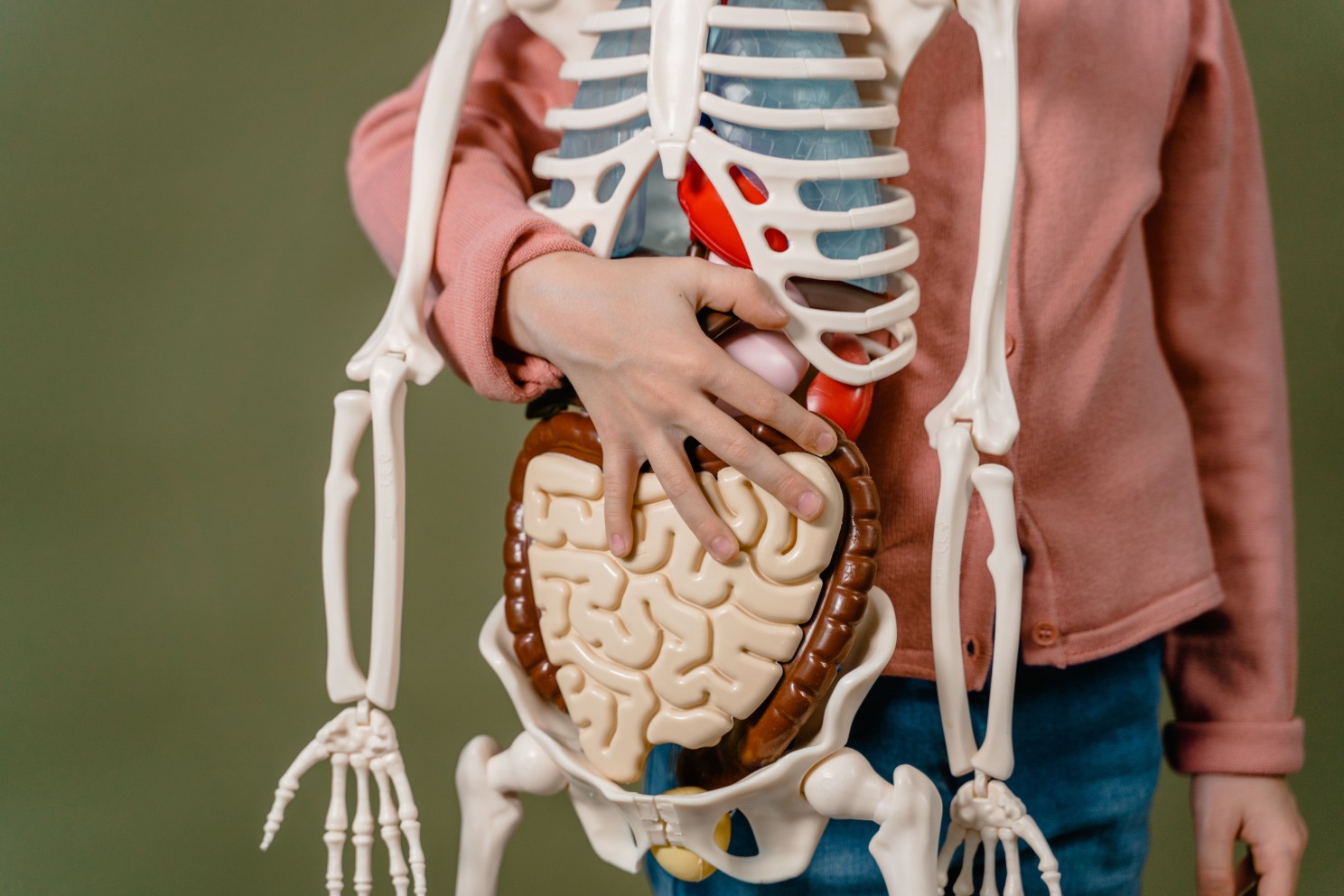
The gut-brain connection we've discussed in previous blog posts plays an important role in seeing the full picture. For example, the pleasure delivered by fat substitutes is not the same as that of real butter. The body, initially expecting an energy-dense food based on the slippery sensation fat creates in the mouth, enters a learning process when receptors in the small intestine signal to the brain that the calories aren't as abundant as expected. When we don't feel sufficiently full after digestion, we find ourselves less inclined to choose that food next time. In other words, while a food's physical structure, aroma, or smell matters initially, the sense of satiety and pleasure shifts with the data coming from the gut.
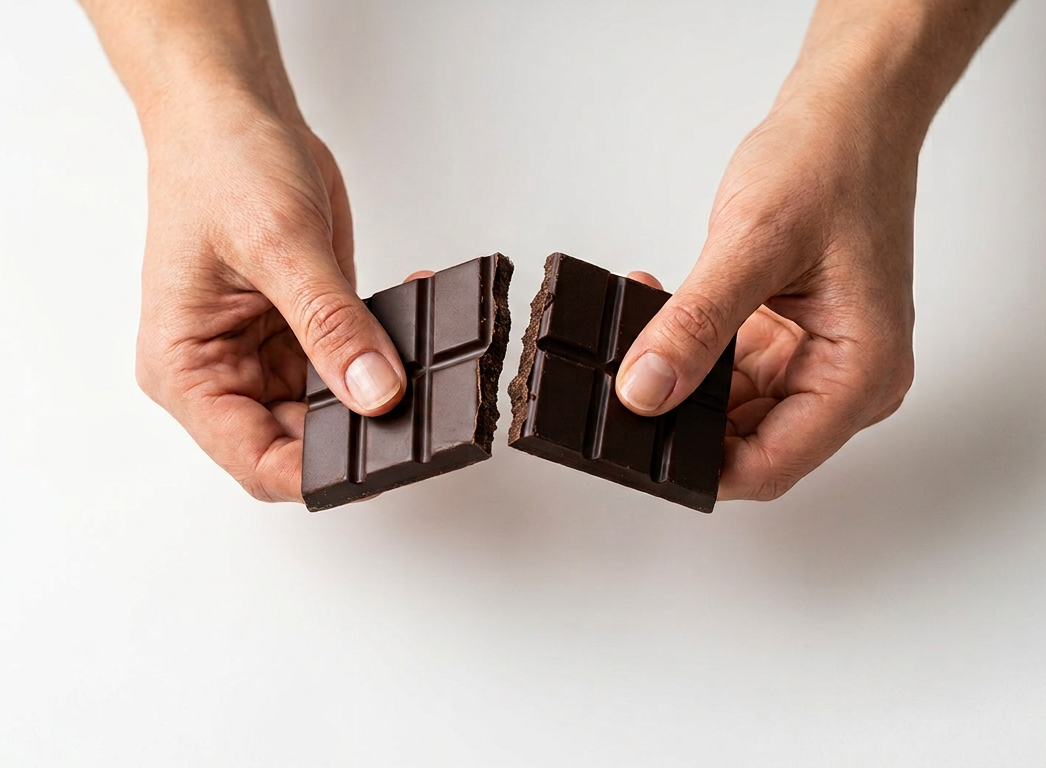
That said, flavor perception can sometimes be manipulated. In a delightful experiment that earned Zampini and Spence the Ig Nobel Prize at Oxford — an award given to research that first makes you laugh, then makes you think — participants were played crunching sounds through headphones while eating chips. When the sounds were played at higher volume, participants perceived the chips as crunchier and more delicious. Another fascinating example is the sound of chocolate snapping. Well-tempered chocolate produces a clean "crack" when broken. For engineers, this is an important quality marker, signaling that the cocoa has reached the desired crystal structure. For consumers, it serves as a freshness indicator, much like in the chip experiment. These two examples show how powerfully texture and our physical senses shape flavor perception — and for industrial food manufacturers, they also underscore the importance of thickeners and emulsifiers.
When we consider all of this, we can see how critical formulation really is. Creating a snack that is both healthy and delicious requires more than simply reducing fat, adding sweeteners or flavors, or increasing viscosity. A holistic approach is needed. Our experience with food is shaped by our expectations and what we've learned about flavor perception. The concept of "experience" — so widely used today — marks an important threshold in our relationship with food. Making that experience healthier is possible, both for producers and for those of us who are beginning to understand what we eat.