
CAN YOU EAT HEALTHY WITHOUT SUPPLEMENTS? THE CLASS DIVIDE IN FOOD ACCESS
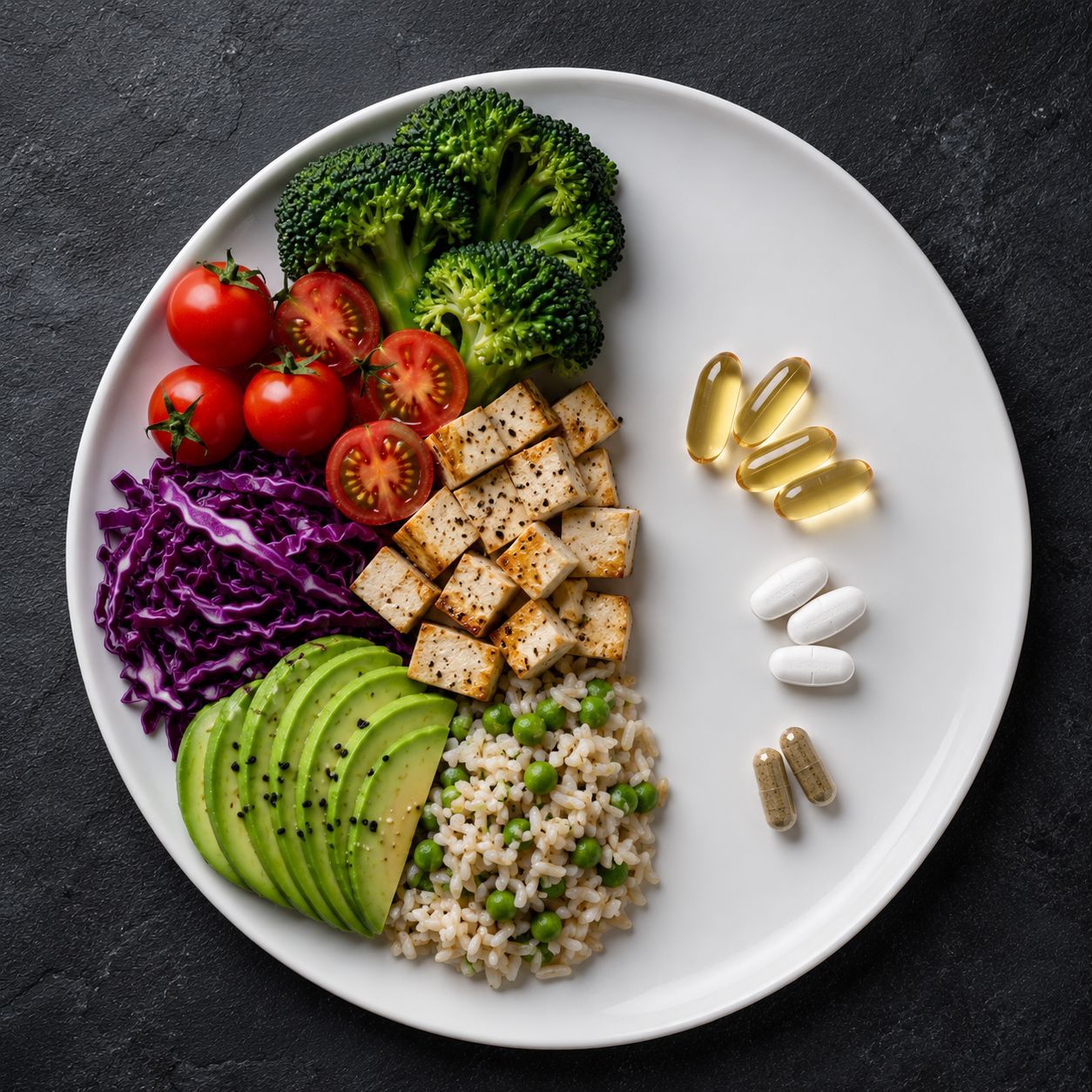
The supplement industry has become deeply intertwined with how we think about food and health. And that raises a few uncomfortable questions. Do we really need this many supplements? Why can't we get the vitamins, minerals, and proteins we need from food alone? Why do so many of us feel chronically dependent on supplements — or constantly anxious that we're not eating well enough? This week, we take a closer look at one of nutrition's most underexplored tensions, and what it tells us about the future of food.
The hidden cost of industrial meat
When you buy meat or fish today, do you ask yourself: were preservatives used? Does it contain microplastics? Will it contribute to antibiotic resistance? If so, you're right to wonder. Industrial meat production relies on additives by design — and the pollution we've released into the environment is now cycling back to us through the food we eat. Unless you can source meat from a trusted butcher, animals raised on uncontaminated land, free to roam... It's hard to eat it with full peace of mind. And that's before we even get to the environmental cost of industrial livestock farming and the serious questions it raises around sustainability.

Is there a real alternative?
So what happens if you shift to a vegan or vegetarian diet? You gain the well-documented benefits of a plant-heavy diet, but you also run into a different set of gaps: B12, iron, DHA and EPA, carnitine, creatine nutrients that come primarily from animal sources. The result can be iron deficiency, disrupted sleep, and early fatigue, even when you're eating consciously and well. For most people, achieving a genuinely balanced diet without some form of supplementation is very difficult.
But diet is only part of the picture. Not moving enough during the day, limited exposure to sunlight, and the declining quality of soil and air all have direct consequences for health — and none of them can be fixed at the dinner table.

What to take, how, and how much
Say you've decided to take supplements. You're now facing an enormous and often misleading market, in which the scientific evidence is constantly being revised. To absorb iron properly, you need to time your coffee and tea. Magnesium should be taken away from calcium-rich foods. And the form of magnesium matters as does the time of day you take it. Just staying healthy has become a research project, isn't it exhausting?
How did our relationship with food and nature reach this point? The answer is long, but the short version is this: soil, water, and air are no longer clean. Our contact with nature has narrowed, while our exposure to synthetic environments has grown. Sun exposure is difficult in modern-city life. Decades of industrial farming have significantly depleted the mineral content of soil. The same vegetable grown today contains measurably fewer nutrients than it did 50 years ago. Taken together, these factors make some degree of supplementation increasingly difficult to avoid for anyone trying to eat a genuinely balanced diet. And here lies the sharpest edge of this issue: just as access to quality food is shaped by class, so too are supplements.
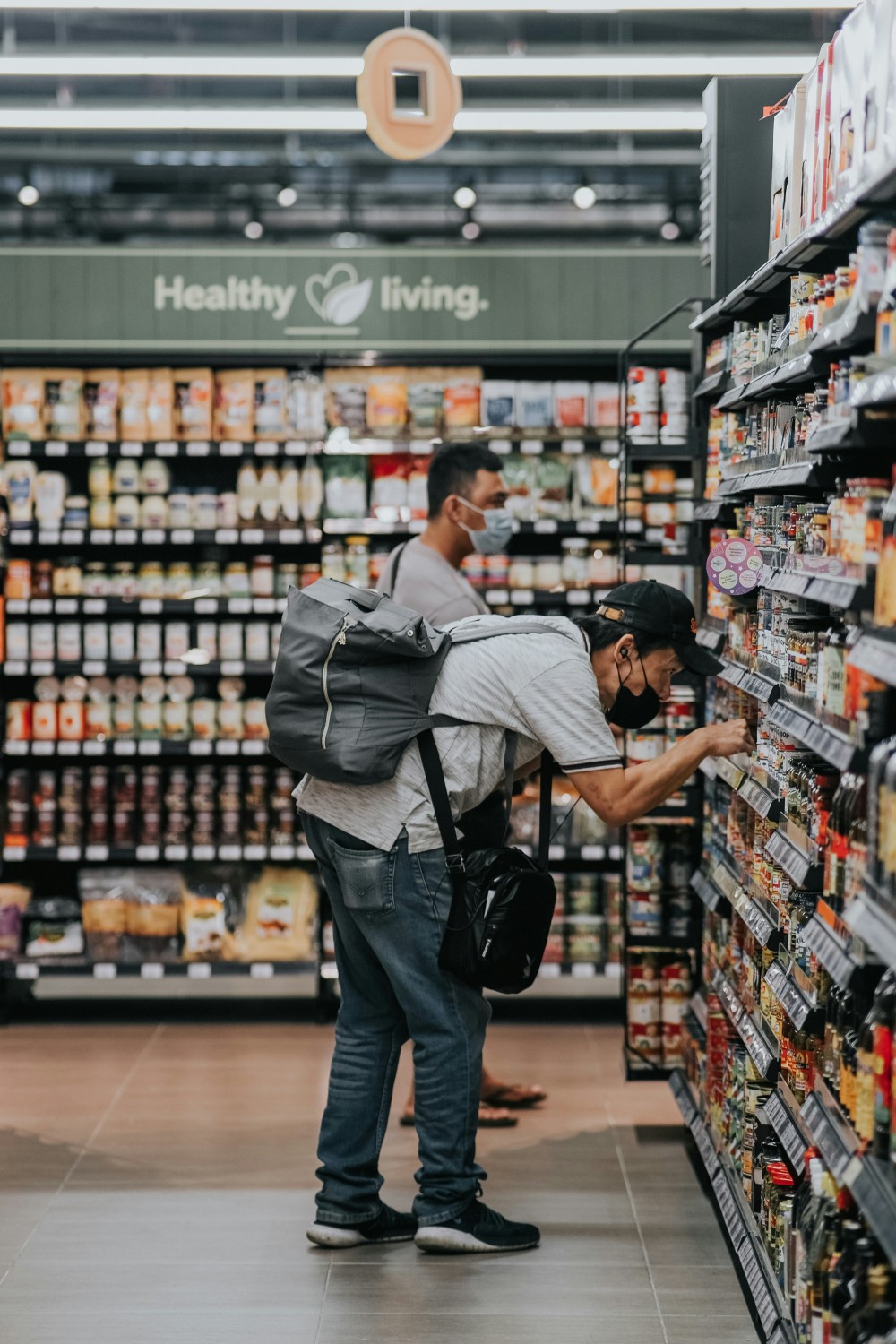
Without adequate research and medical guidance, it's easy to spend money on products that do nothing for you. Regulatory frameworks consistently lag behind marketing. Staying healthy — not just treating illness, but actively maintaining wellbeing — requires knowledge, time, and money, all at once. For most people, that combination is far from guaranteed.
What science is telling us — and what it isn't
Science is getting better at identifying what we need to live longer and feel better. And some of what it's finding is genuinely surprising. Synthetic ascorbic acid, for instance, appears to offer limited benefits on its own — eating the whole fruit, with its fibre and flavonoids, is significantly more valuable. Similarly, diversity of dietary fibre matters far more for gut health than any probiotic supplement taken in isolation.
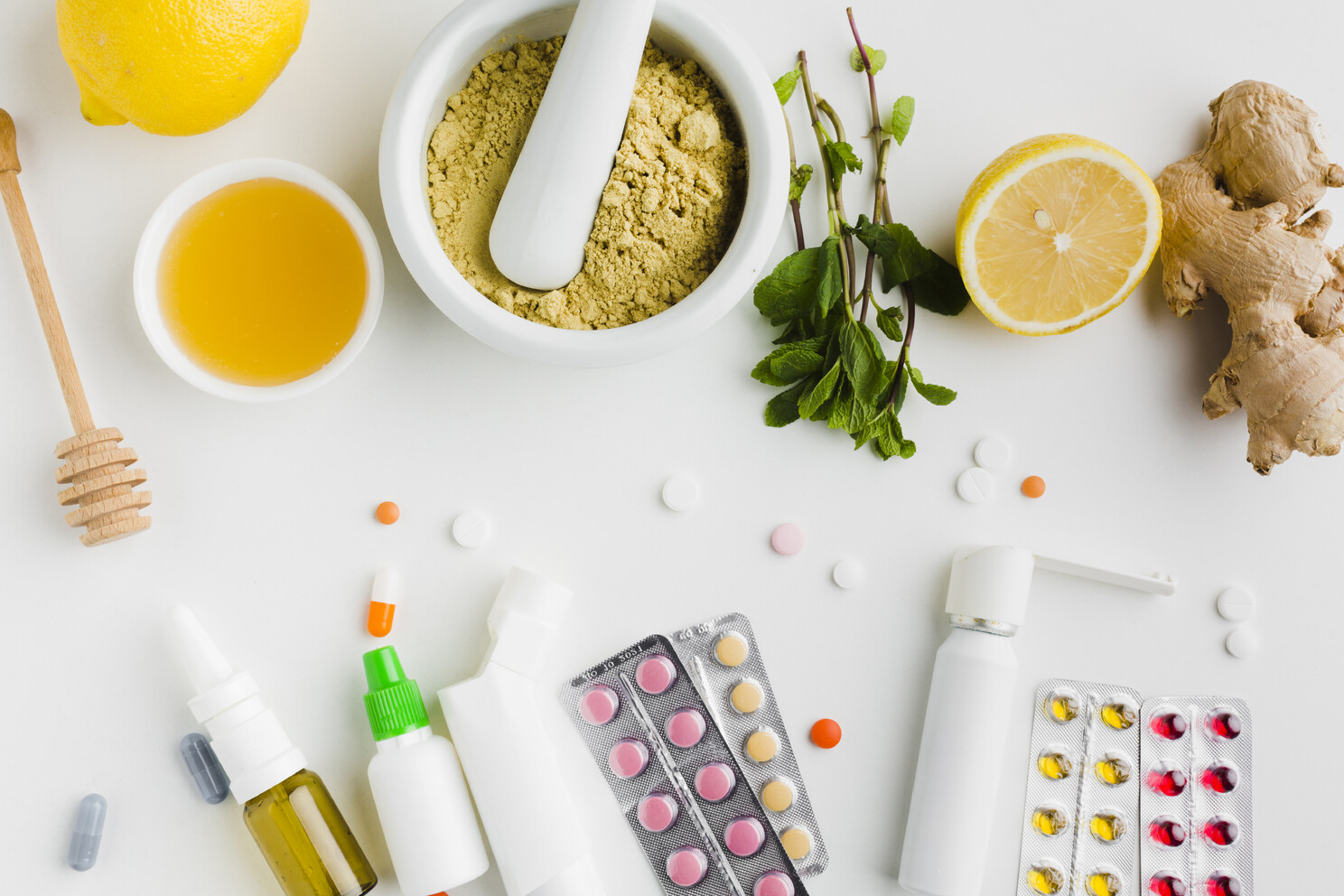
The future of food, it turns out, does not run through synthetic pills and capsules alone. We are only beginning to understand the thousands of microscopic compounds — polyphenols, antioxidants, bioactive molecules — that make whole foods work the way they do. The supplement industry, long focused on isolating single compounds, is now grappling with what researchers call the food matrix: the idea that how a nutrient is absorbed and used depends on everything around it. Nature, it seems, cannot be fully replicated.
So what can we do?
Access to clean, quality, affordable food is a fundamental human right. But what we're facing isn't only a class divide — it's an intergenerational environmenteal injustice. Ecological damage and environmental pollution have created conditions that make balanced nutrition genuinely harder for younger generations. Some of that damage cannot be undone.
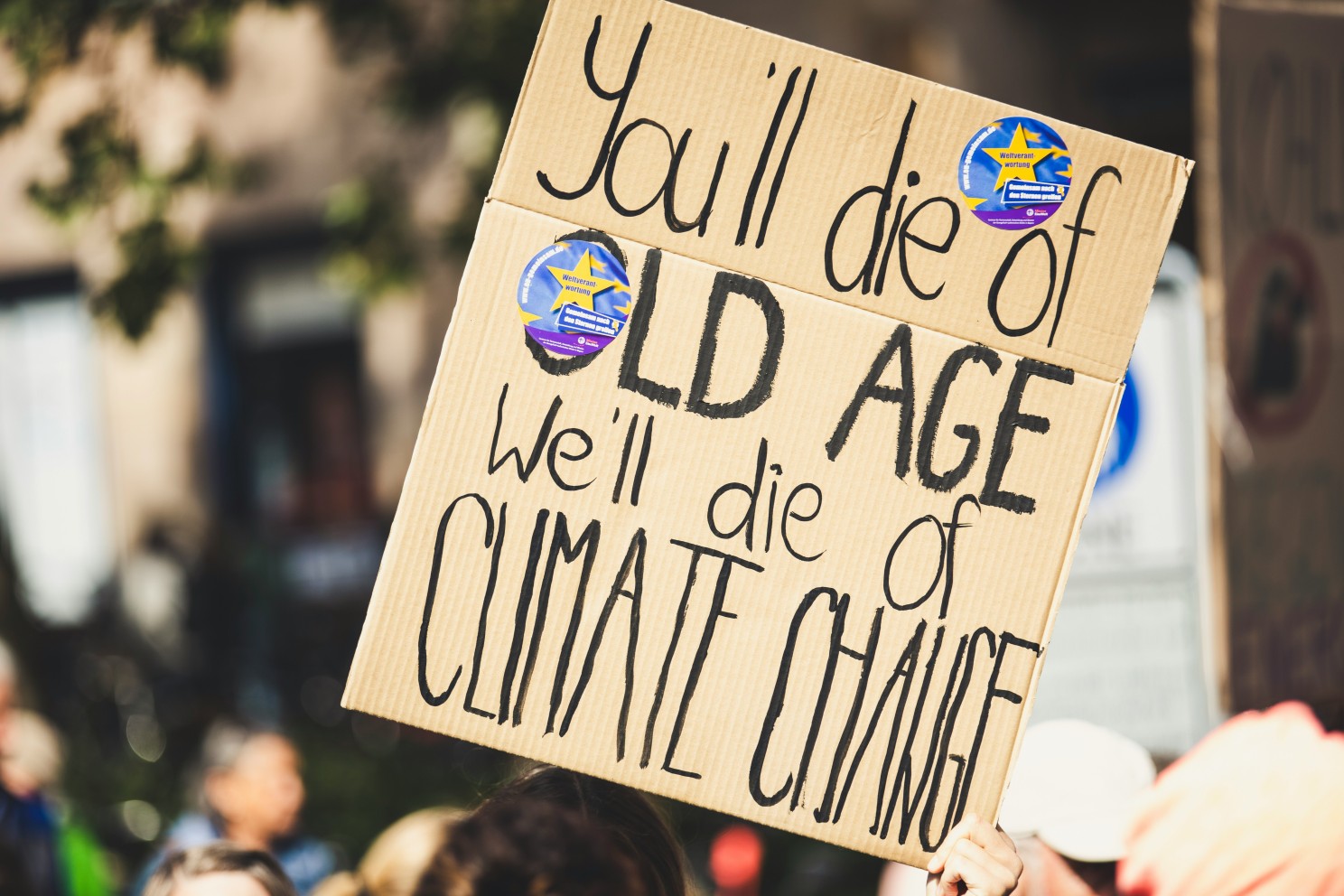
Consumers need better information. Health authorities need stronger regulation. Food production needs to be sustainable and fair — preserving what we still have, and making the best possible amends for what we've already lost. Producers carry a significant share of this responsibility. Consumer awareness alone is not enough. The industry must prioritise sustainability, quality, and scientific integrity alongside profit. For the future of food, and for climate justice, that shift in thinking is not optional — it's essential.