


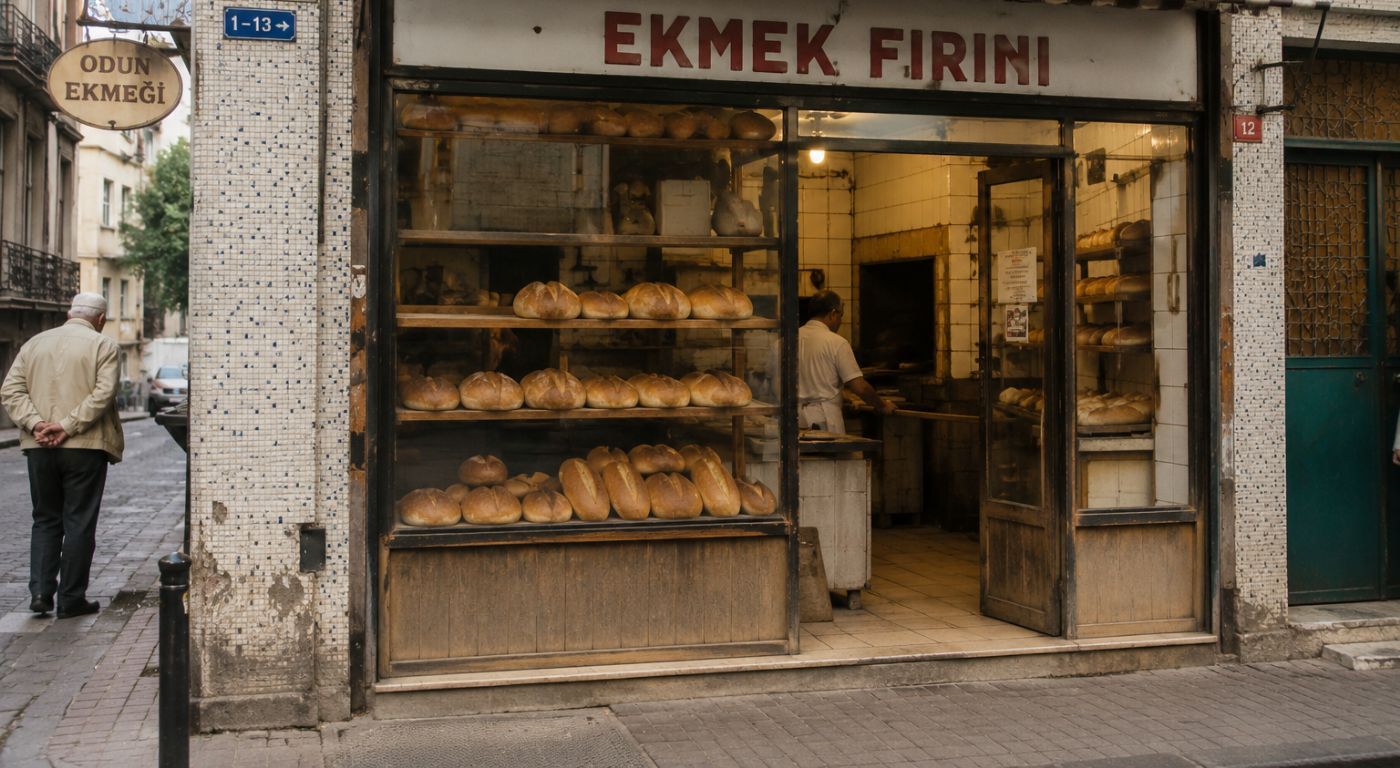
"Isn't there any bread at home?" As a child, this question would send a wave of panic through me. If we hadn't sat down at the table yet, I'd run straight to the store to get some. And if we'd already started eating and the bread ran out, we'd even borrow some from a neighbor, but you couldn't sit down to a meal without bread. It was such a familiar, essential food that without it, we simply couldn't feel full.
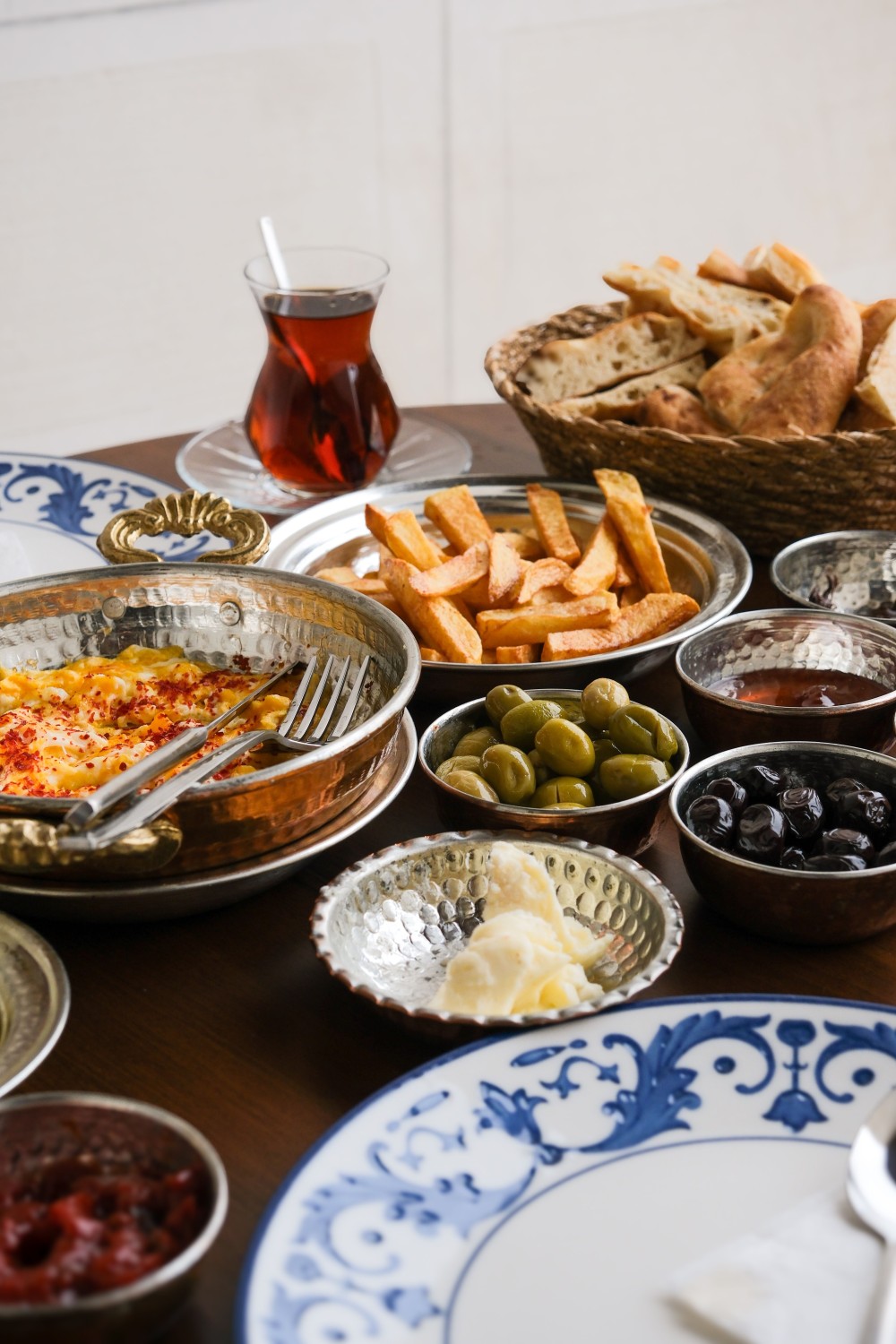
Years later, when I started traveling abroad, I realized bread wasn't a free, automatic addition to the table the way it was in Turkiye. I was surprised, did we actually have to order it separately? Sometimes it wasn't even on the menu. But then again, the habits we had dipping bread into saucy dishes or scattering it across a spread breakfast table didn't really exist elsewhere either.
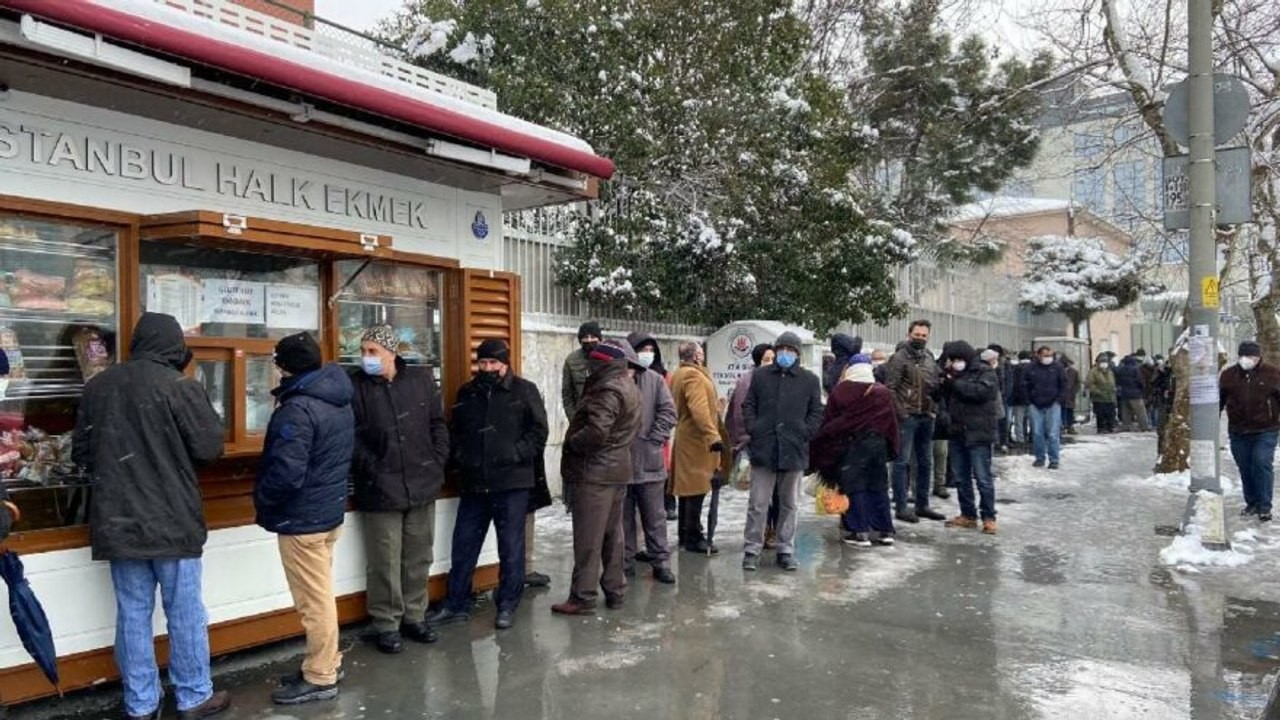
Bread had woven itself so deeply into our lives that people worked for their "ekmek parası" (bread money), and those who "carved their bread out of stone" meaning they worked hard for their living, were admired. If even a small piece fell to the ground, it was considered a sin; people would kiss it three times, touch it to their forehead, and say a small prayer of apology. It was rarely thrown straight into the trash. If there was extra, it would be left by the door in a bag for anyone in need, or given to the birds. If it had gone slightly stale, it went into meatballs, but one way or another, it was never wasted. Bread, in Turkiye, wasn't just a staple food, it was something sacred, woven into the very center of the culture. And then there was the whole business of bread price hikes. In Turkiye, a rise in bread prices was major news; when the economy took a turn for the worse, lines outside Halk Ekmek (subsidized municipal bread) stands made headlines.
Back in the 2000s, when we made it into the Guinness Book of Records, our per capita annual bread consumption was approaching 200 kg. According to that same data, our closest counterparts in Europe — Serbia, Bulgaria, and Ukraine — were still well below Turkiye's yearly average. Stories like these were often mentioned alongside Turkiye's obesity rates being high compared to Europe. Low protein intake paired with high carbohydrate intake was generally taken as a sign of an unhealthy diet. And indeed, according to World Health Organization (WHO) data, Turkiye has the highest obesity rate in Europe. Globally, it ranks among the highest alongside countries like the US, Mexico, Canada, and New Zealand. Perhaps this is why people assumed there was a strong link between bread consumption and obesity in Turkiye. Anyone trying to diet would cut bread first, though giving up a food this deeply ingrained in daily life often made the diet hard to sustain.
So, is the link between obesity and bread consumption actually real?
Let's start by looking again at Turkiye's bread consumption data. According to TMO figures, per capita consumption dropped from 147 kg a year in 1974 to 122 kg in 2018 — a decline of around 17%. So what happened to obesity rates over that same period?
According to TÜİK data, obesity rates rose by around 30% in both men and women between 2008 and 2022. In other words, bread consumption declined over the years while obesity rates kept climbing. So we can't simply say we're gaining weight because we eat bread.
There's a concept called the "nutrition transition" in developing countries. Briefly, it describes a five-stage dietary evolution and the health conditions that come with each stage. The model suggests that societies move through a journey from scarcity, to abundance, to unchecked abundance, and finally to conscious correction. In the shift from scarcity to abundance, there's another concept known as the "receding famine pattern" — this describes the shift toward diet-related non-communicable diseases. Research on this pattern focuses particularly on low- and middle-income countries in Asia, Africa, the Middle East, and Latin America. Turkiye falls squarely within this definition: the problem of scarcity and undernutrition has largely receded, but it's been replaced by chronic conditions like obesity, diabetes, cardiovascular disease, and more.

The research shows that these shifts are happening with remarkable speed, and at much earlier stages of a country's economic and social development. While developed Western nations went through this transition over decades, even centuries, developing countries — Turkiye included — are going through it in a fraction of the time, often before they've even fully prospered. So the old idea that "wealthy people are the ones who get fat" no longer holds. If anything, it's the reverse today: being lean and healthy has become a marker of affluence.
Another important finding is the inverse relationship between carbohydrate and protein intake. In Turkiye, as bread and grain consumption declined, protein consumption — meat, poultry, fish — rose over the same years. Normally, you'd expect this shift to produce a healthier population. But the rise in obesity shows that focusing solely on protein and carbohydrate intake leads us to the wrong conclusion. When it comes to weight management and healthy living, the answer just isn't that simple. Physical inactivity and how processed the food we eat throughout the day is are far more significant factors in healthy weight management.

So, should we eat bread or not? I can already hear you asking.
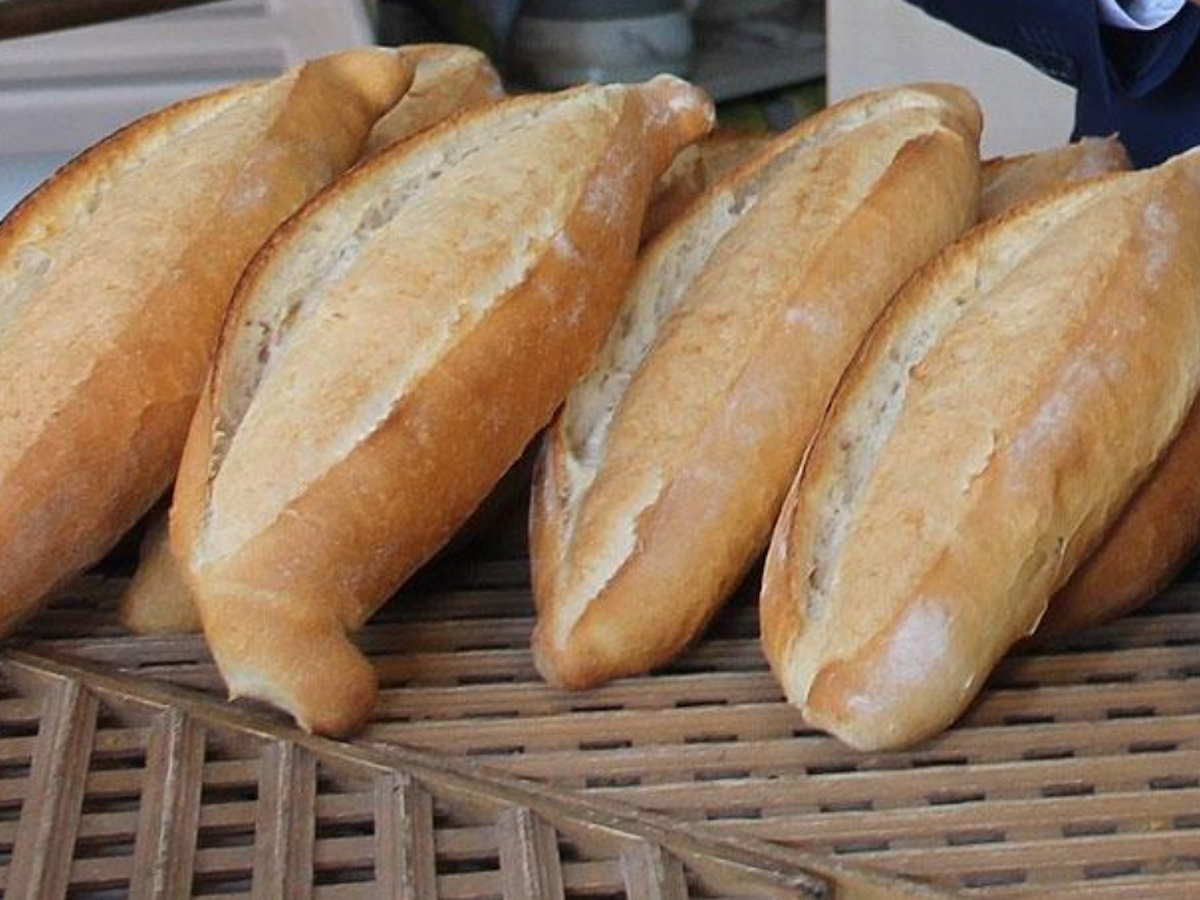
Short answer: yes. But of course, with a caveat. Not all bread is healthy, and there really is a connection to weight control. The bread most commonly found in supermarkets and bakeries, made quickly from white flour with just 1–3 hours of fermentation, has a high glycemic index and doesn't keep you full for long. Even though classic white bread remains many people's preference in terms of taste, availability, and habit, it's low in fiber and doesn't contain resistant starch, which means it's also less satiating. So even though it's relatively cheap, it can lead people to eat more than they need.
That said, especially in major cities like Istanbul, Ankara, and Izmir, bakeries increasingly offer sourdough and heritage-grain breads. When people think of heritage grains, the varieties that come to mind — and that you can now find on shelves — include kavılca, einkorn (siyez), karakılçık, and üveyik wheat. One distinguishing feature of these grains is that they contain less complex gluten, which reduces the digestive discomfort or bloating that gluten can sometimes cause. But even more important than the gluten content is the mineral density and high fiber content these grains carry. For those nutrients to be preserved and effectively absorbed by the body, long fermentation is essential. Since the gluten content is naturally low, dough made from these seeds has a limited gas-retention capacity; consequently, texture issues are typically balanced through blending or specialized kneading techniques. Meanwhile, long-term fermentation enhances nutritional value by eliminating compounds such as phytic acid, which can otherwise hinder digestion and nutrient absorption.
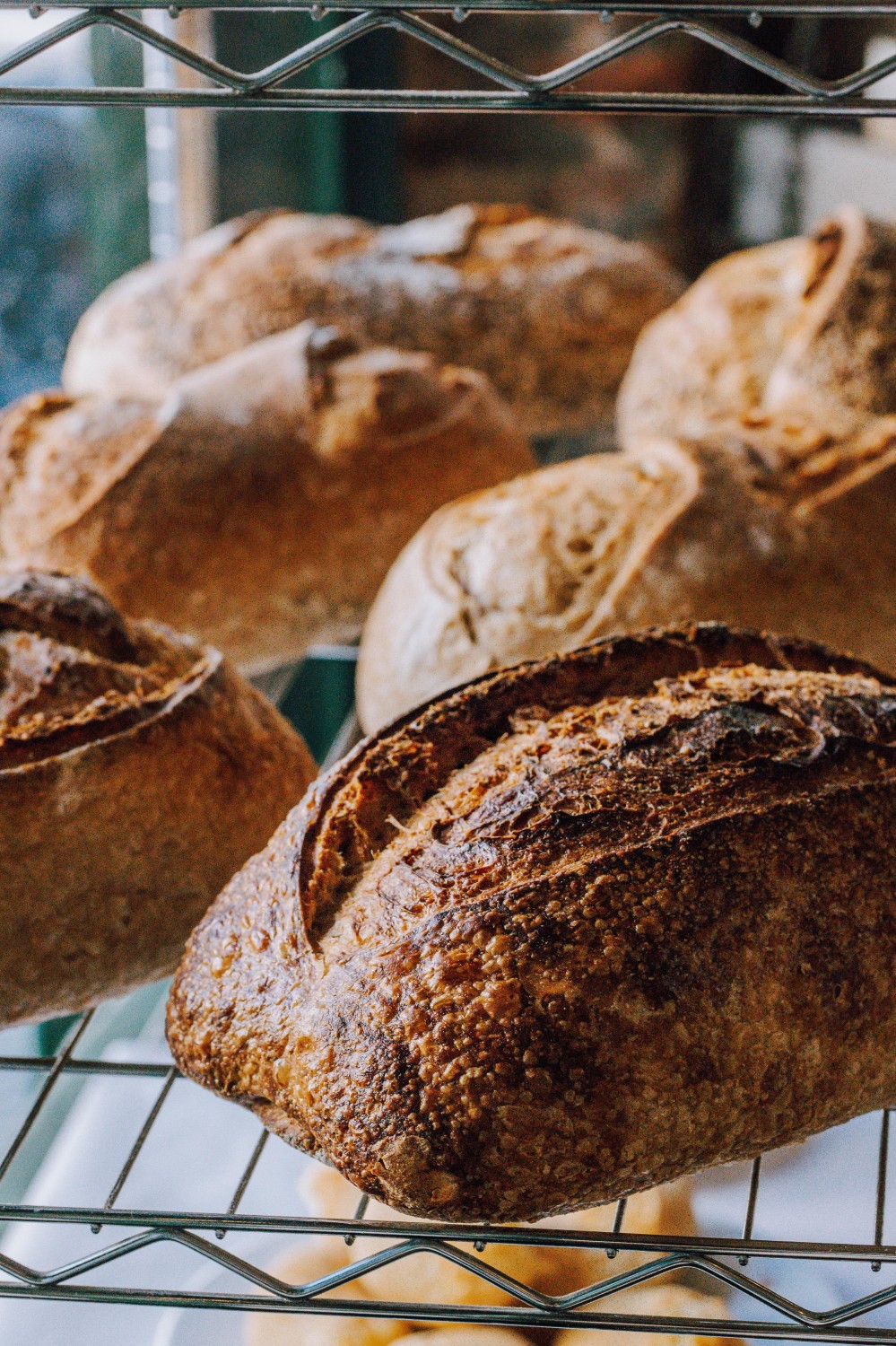
Coming back to diet and obesity — the point most experts agree on is that a diet needs to be sustainable. So if you love bread and you live in Turkiye, instead of cutting it out of your life entirely, you can choose a healthier version of it. As we touched on, weight management is a far more complex process, and prosperity today is tied to being at a healthy weight. The shift to urban living, sedentary lifestyles, and rising processed food consumption are far more significant factors in obesity. Even if your protein intake has gone up and your carbohydrate intake has gone down, whether what you're eating is fast food or whole, healthier food still matters enormously.