


Have you noticed a shift toward a more holistic perspective in medicine lately? Stress, the root cause of many diseases, along with its underlying psychological triggers, has increasingly drawn the attention of modern medicine. This shift has accelerated advancements in holistic medicine and paved the way for more rigorous research into traditional practices.
What exactly were these methods? Most were plants, mushrooms, and routines used for centuries as therapeutic remedies across various cultures, particularly in China, Tibet, and India. They did not merely suppress symptoms; they also played a healing role in mental health. In other words, they helped restore stress to normal levels and supported the body’s ability to function in a state of balance (homeostasis).
Based on this narrative, the term "adaptogen" was first coined in the 1940s in Soviet Russia by Nikolai Lazarev. At the time, however, these products were only being trialed as performance enhancers for athletes and soldiers.
By definition, an adaptogen had to meet specific criteria: it must be non-toxic (meaning minimal side effects at low doses), target the whole body rather than a single organ, and act as a normalizer—meaning it lowers cortisol if it is too high, and raises it if it is too low. Once adaptogens began to be studied, some were granted usage and marketing authorization by various regulatory bodies, particularly in Europe. This approval meant introducing these traditionally used products into global circulation. However, these products could neither be classified as medicine nor strictly as food. Consequently, they fell into the category of "dietary supplements." A gray area that neither demands evidence as rigid as the pharmaceutical sector nor remains as simple as standard food... Here are the primary adaptogens we can find today in that steadily expanding dietary supplement aisle;

1. Ginseng
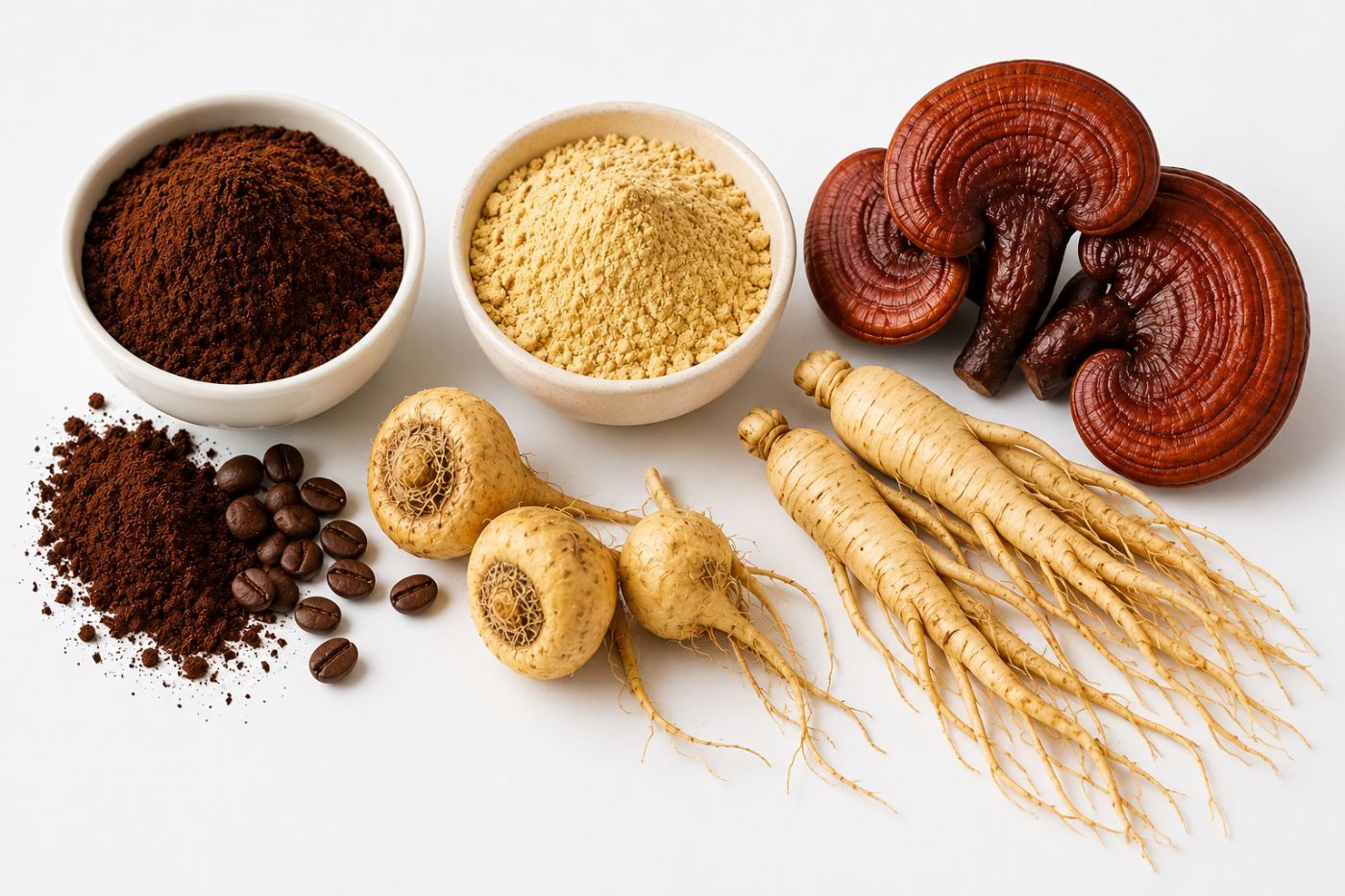
A herb that regulates the life energy known as "qi," which in China was historically accessible only to the aristocracy. Because its root resembles the human body, it was believed to heal the whole system. Today, it is commonly used in sports drinks and herbal teas. Scientific studies indicate positive effects on energy levels and immunity.
2. Ashwagandha
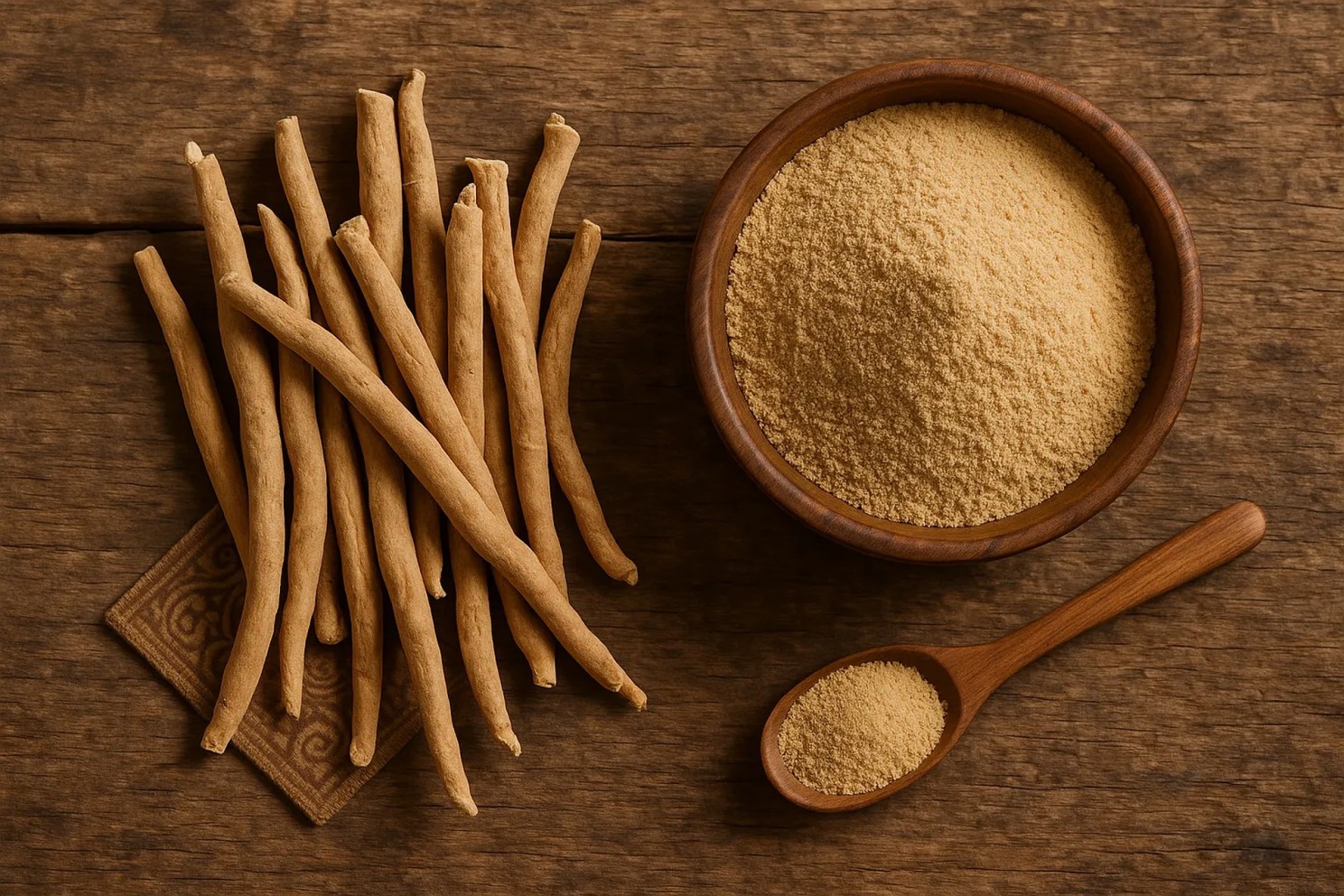
A herb used in Ayurveda for thousands of years in stress regulation, rejuvenation, and revitalization rituals. Clinical studies have shown it can be highly effective in reducing cortisol levels. Among the supplements we see most frequently on shelves are blends formulated for sleep and stress regulation. With the rise of the new gummy trend, it has also made its way into functional snacks. We may see it in many more products in the future.
3. Rhodiola Rosea
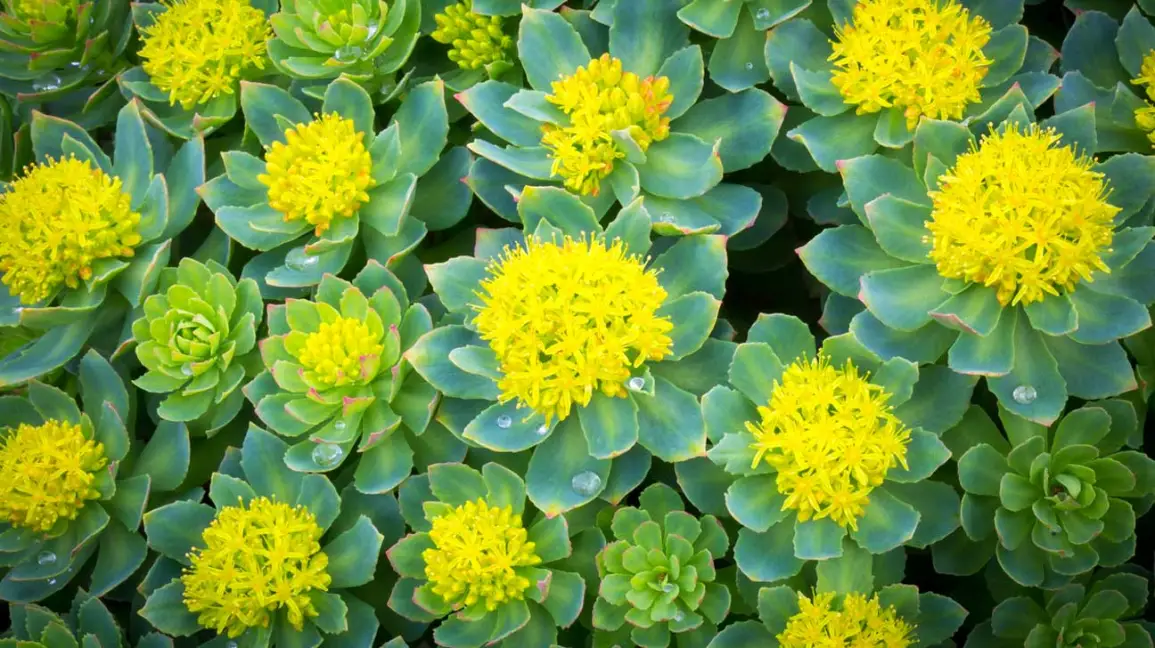
Used in Siberia and Central Asia, Rhodiola is a herb grown in harsh climatic conditions that was historically used to increase endurance, particularly during long journeys. Studies have observed that it yields positive effects in individuals experiencing mental fatigue and can offer healing benefits against burnout. While most frequently spotted in sports nutrition products on the market, it has also entered employee stress management programs developed by corporations within the scope of corporate wellness.
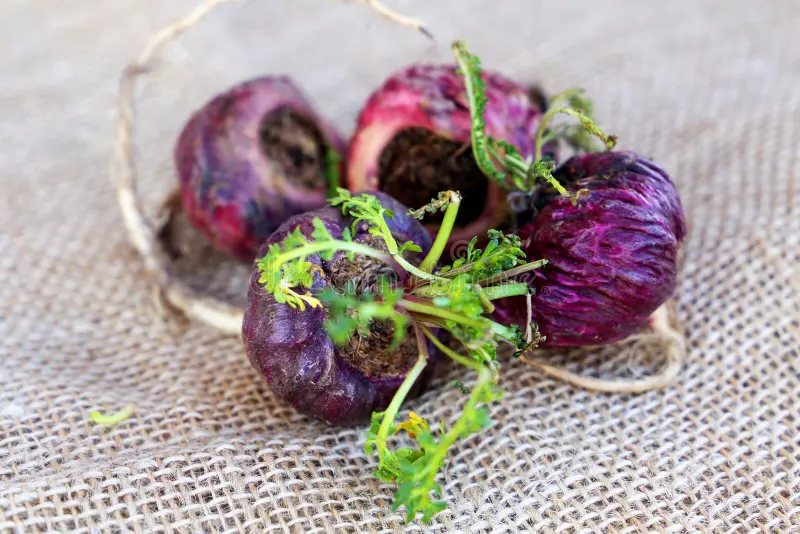
4. Maca
A herb given by the Incas to warriors before battle to provide energy at high altitudes. Research indicates potential positive effects on energy and sexual health. We can find Maca as a tea in almost any supermarket. However, the trend has grown so significantly that outside the grocery aisles, cafes now offer Maca-infused cakes, chocolates, and lattes.

5. Reishi
A functional food utilized for hundreds of years in China and known as the "mushroom of immortality." It is referred to as Reishi in Japan and "Lingzhi" in China. It has traditionally been used for longevity, wisdom, and spiritual balance. Studies have shown that it may have positive effects on cancer support and improve sleep quality. It is available in markets as tea and coffee blends, as well as in capsule form within the dietary supplement segment.
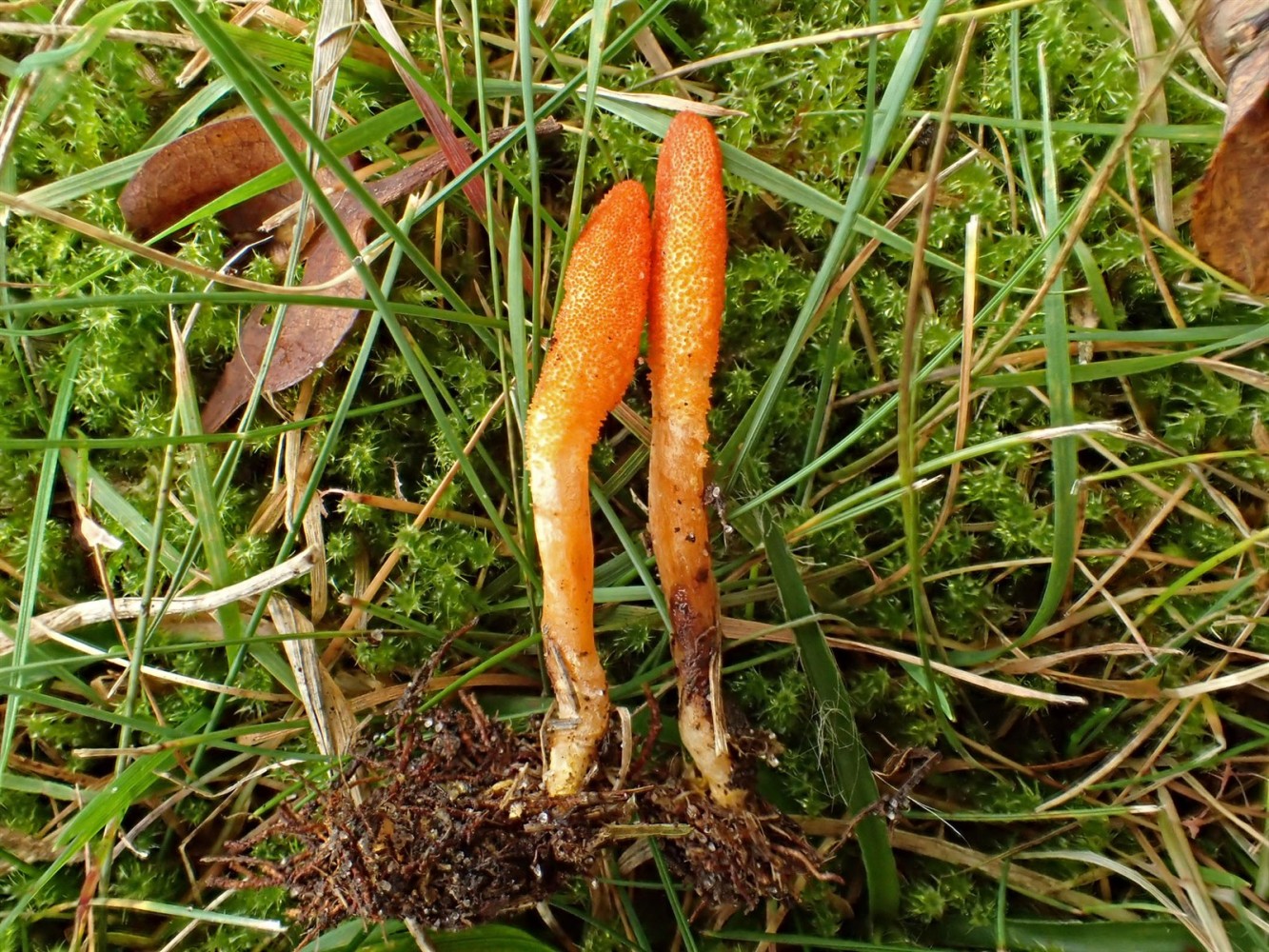
6. Cordyceps
A parasite that provides energy and cold tolerance for populations living at high altitudes in Tibetan and Himalayan medicine. Also known as the caterpillar fungus, it was historically utilized in Traditional Chinese Medicine as well. Today, it is used primarily by athletes as a performance enhancer. However, its effects remain debated in scientific literature; thus, while we see it as an ingredient in sports nutrition, its widespread use is still limited.
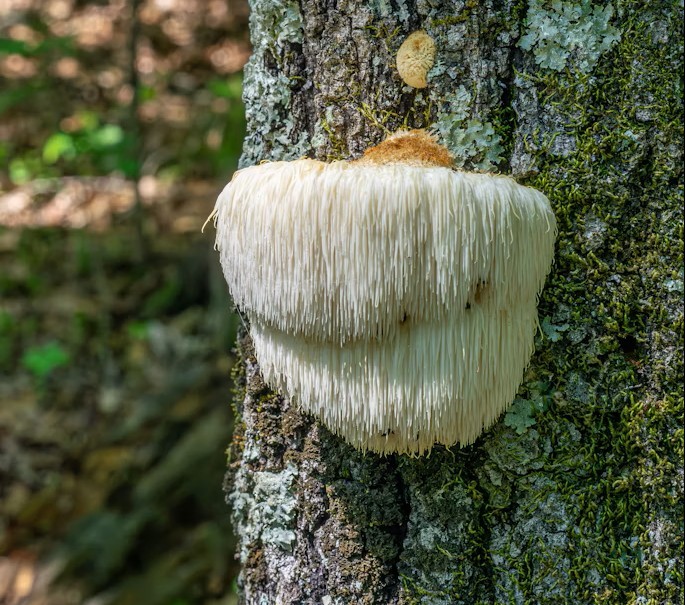
7. Lion’s Mane
A functional food traditionally used in Japanese and Chinese medicine, and consumed by Buddhist monks to enhance focus. Although scientific studies are currently limited, it has been shown to have a positive impact on conditions such as mental fatigue and forgetfulness. In addition to being a highly popular product in capsule form as a supplement, it has also been integrated into various coffee blends.
It seems that as different cultures and teachings converge, more space opens up for innovation. The continuous diversification of these ingredients each year, combined with increased funding for research, makes it clear that this supplement market—which bridges the gap between the food and pharmaceutical sectors—is set for substantial growth.