


What comes to mind when you think of a snack bar? Nut content, protein and fiber ratios, vitamin supplements, collagen, probiotics, caffeine, matcha... With so many options, which one speaks to you? Perhaps the one with the best flavor, or the one whose ingredients you trust the most. Still, choosing among so many alternatives can be confusing.
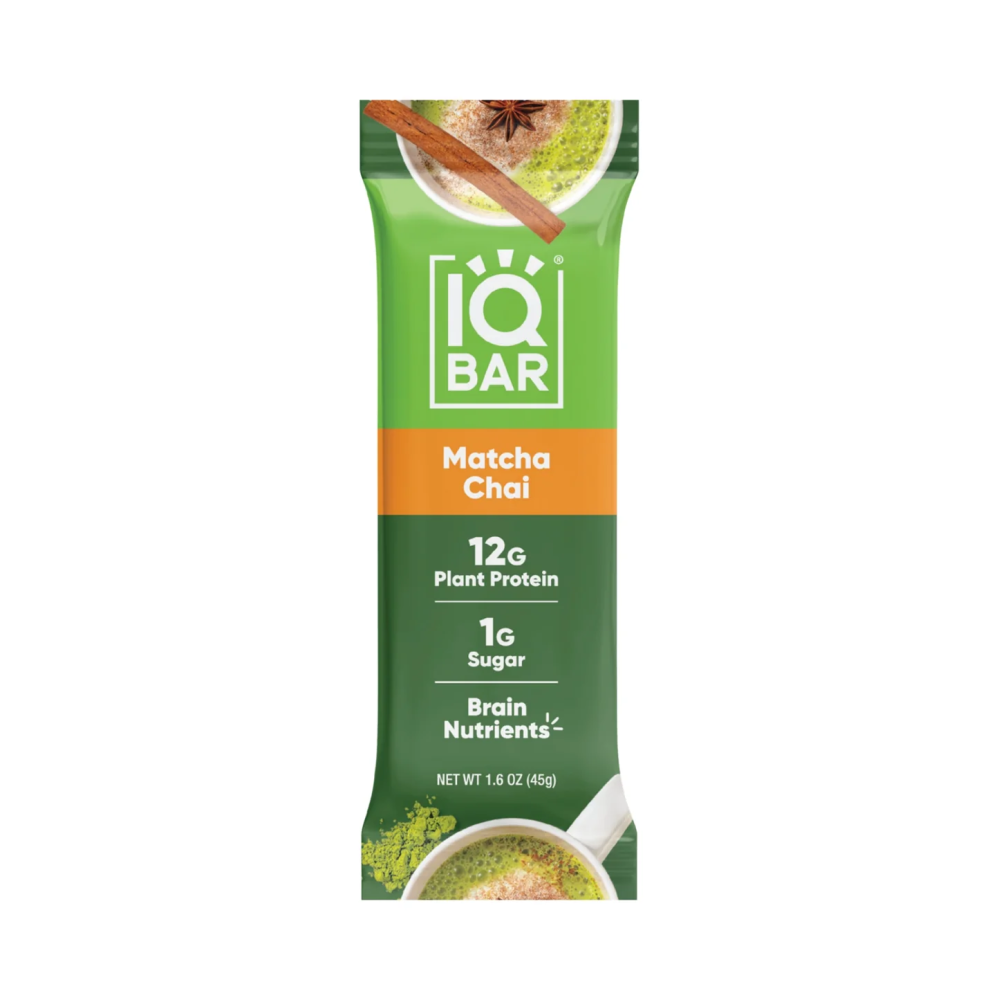
So, how did so many brands start launching such a wide variety of snack bars?
Snack bars have been in our lives for a long time. But before discussing the market size, let’s look at what has happened in the snack sector from its market debut to the present by going back to the 1980s. The healthy and fast meal trend began in the 80s, particularly in North America, with products hitting the shelves for time-constrained urban dwellers. These products, especially breakfast cereals, required no cooking, were nutritious due to their fiber and grain content, and allowed consumers to satisfy their hunger without the guilt. They were easily found in markets and highly practical. During this period, snack bars were first introduced as a portable version of breakfast cereals.
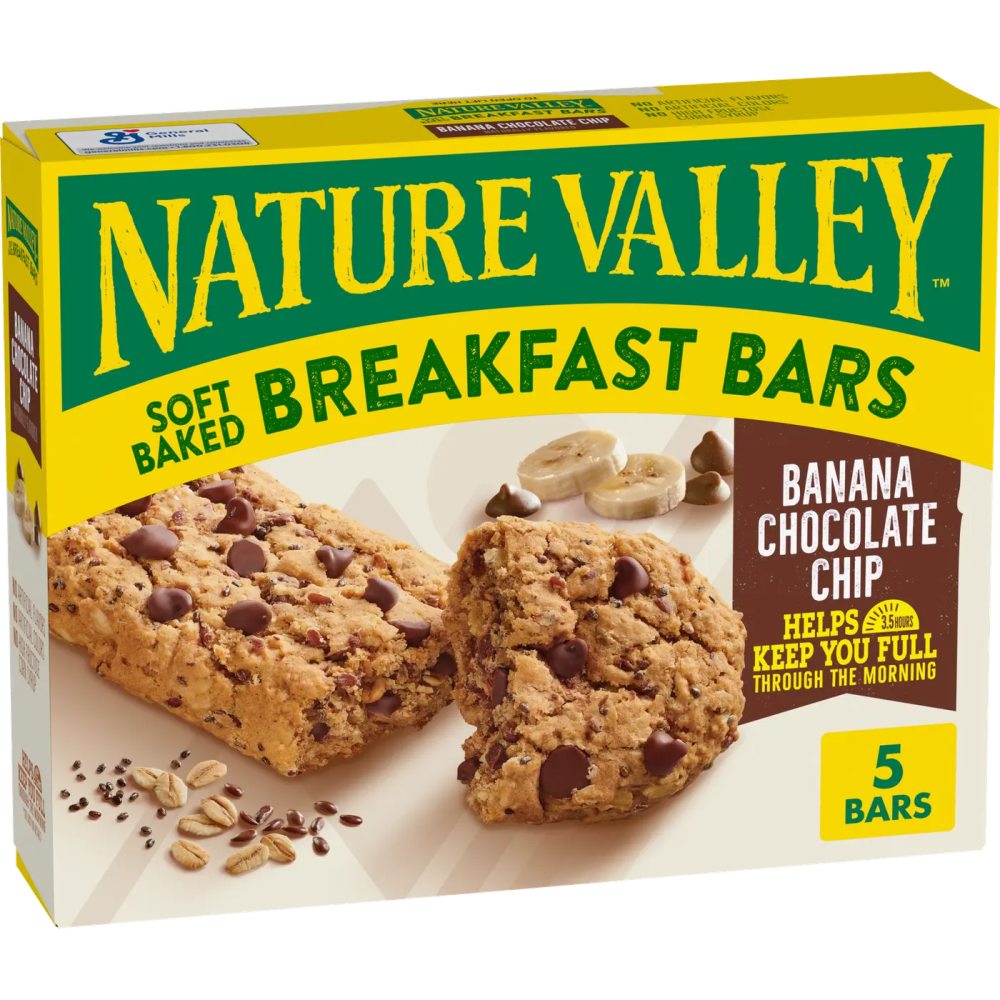
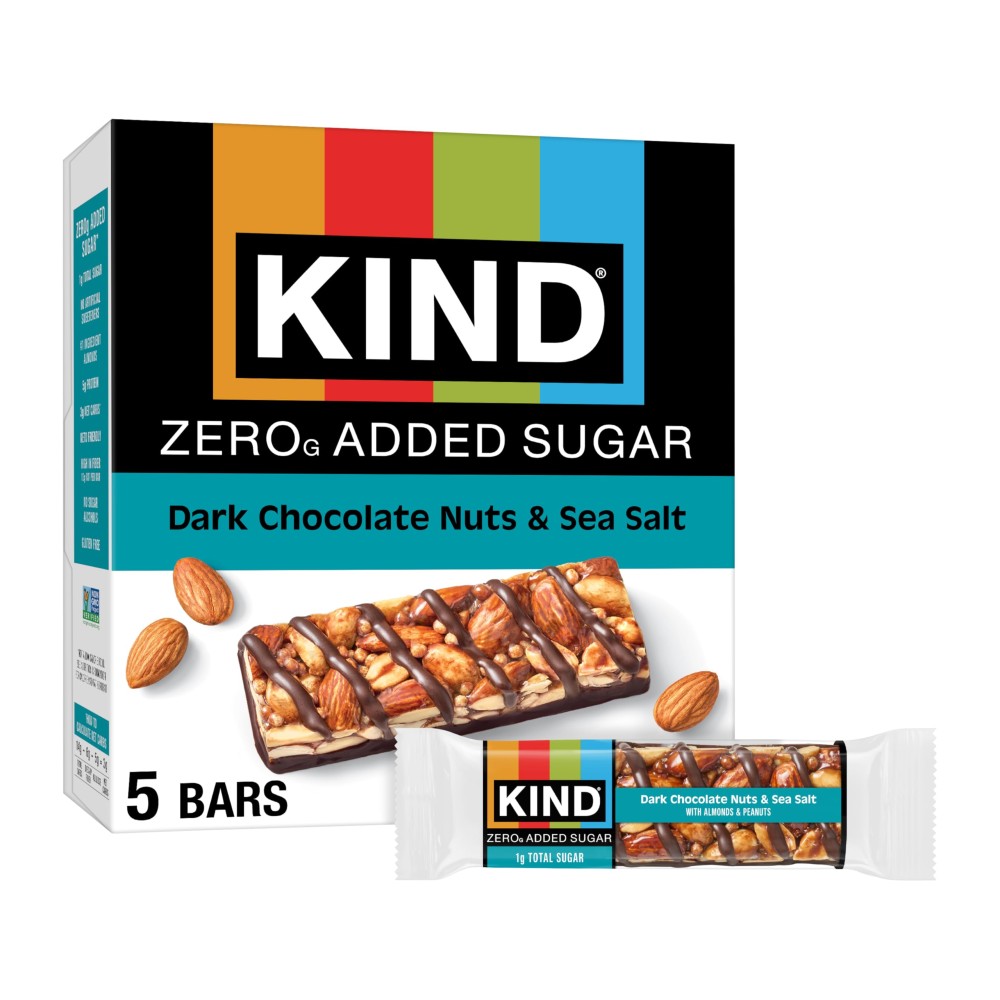
Primarily produced from grains and nuts, the market share for bars at that time was just under $1 billion, but it was growing rapidly and showed great promise. By the 2000s, sports nutrition and the sugar-reduction movement began to take center stage. Snack bars responded immediately to this trend, communicating with consumers through "no added sugar" claims on their packaging. This marketing strategy worked; healthy snacks became so popular that by the end of 2007, the market grew by more than 20%, reaching $1.3 billion.
Trends in healthy eating were constantly evolving. By the 2010s, protein content began to be emphasized for a healthy meal. The snack sector responded once again, and protein ratios started appearing prominently on labels. Initially, whey and milk concentrates were the most common protein sources. However, this alone couldn't expand the target audience. Furthermore, the market share for vegan products was rising. As a result, vegan bars entered the market and achieved rapid growth.
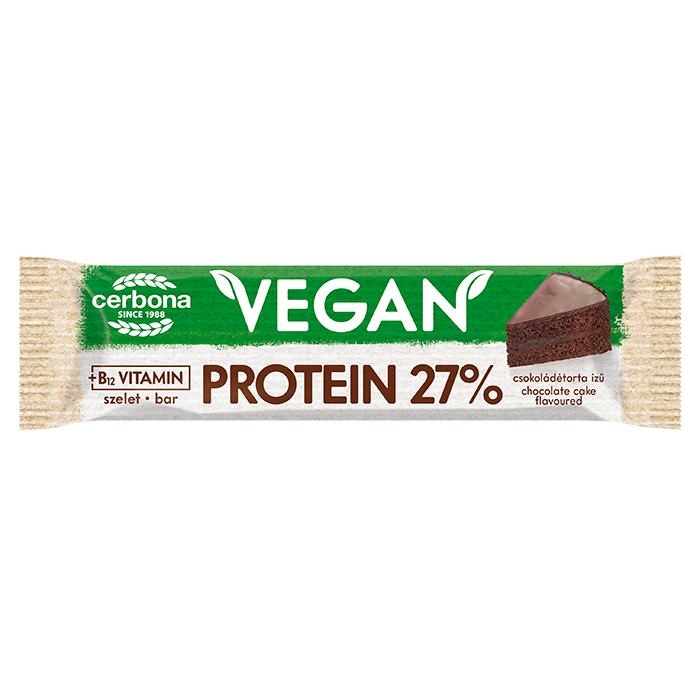
From 2021 onwards, plant-based proteins—specifically pea, rice, hemp, and soy—expanded the consumer base for snack bars even further. But it didn't stop there. Consumers embraced the idea of "functional eating", and seeing more "beneficial" components in the ingredients accelerated sales. The sector, which initially focused solely on naturalness, diversified by incorporating protein and vegan sources, followed by collagen and vitamins for the healthy aging trend, and even probiotics for gut health. Some boutique brands even began designing personalized bars.
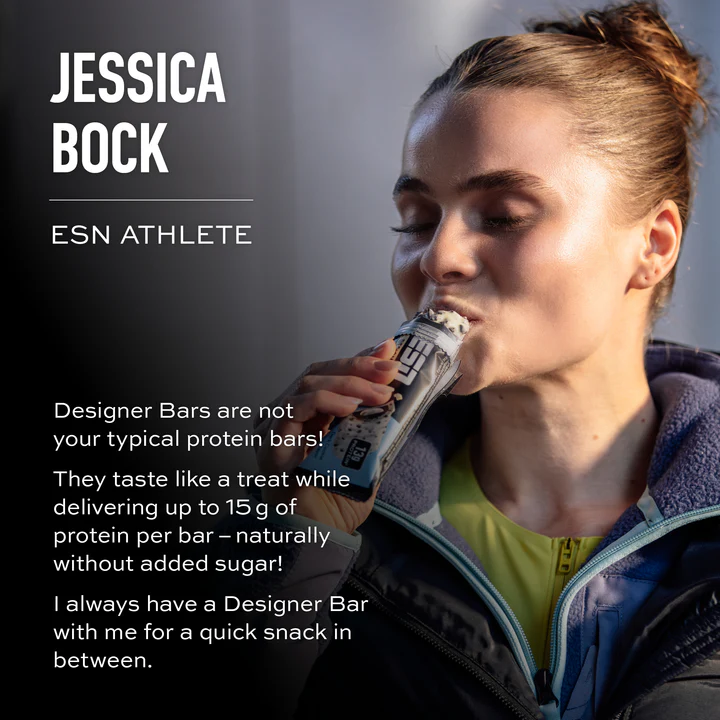
The global snack bar market reached a value of $25.9 billion in 2024. This figure is expected to grow by an average of 6% annually, reaching $46 billion by 2033. Naturally, this massive industry faces several challenges. First and foremost, it is dealing with a highly conscious consumer. Today, most consumers aren't satisfied with a "no added sugar" label; they examine net carbs or carbohydrates derived from sugar. When it comes to protein, they research even deeper: which amino acids and essential components are added, the bioavailability, or the environmental impact of the protein source.
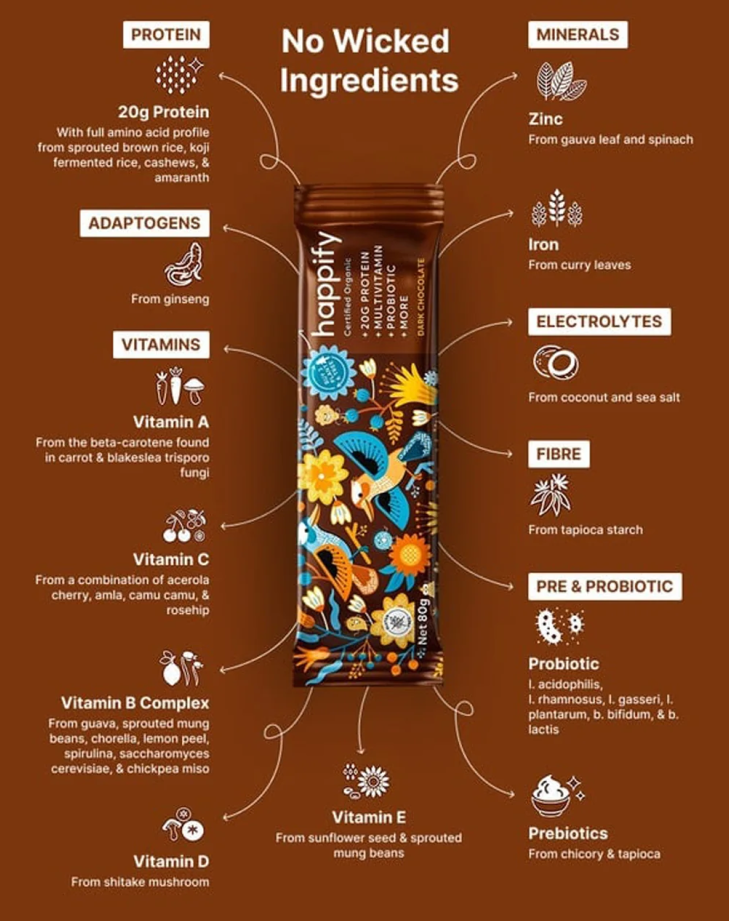
On the other hand, the variables in these formulas make the manufacturing processes highly sensitive. For example, as the protein ratio increases, bars tend to harden; certain vitamins must be handled carefully to avoid loss due to heat; and some antioxidants see reduced absorption when combined with specific ingredients. Naturally, a formulation that accounts for all these details is no longer expected to be cheap. Today, snack bars have evolved into meal-replacement foods with a wide price range that we can call "niche." The more "benefit" added to the content, the more expensive and exclusive it is considered.
This evolution requires a deep understanding of the technical details of the raw materials used in snack bar production. Many food events, particularly trade fairs, track general consumer tendencies through snack trends. This is exactly why we will continue to follow the industry closely, keep you informed, and remain your solution partner.
Please feel free to contact us for your questions and requests.