



For the past decade, the use of soy—once a fundamental staple of the food industry—has not been growing as rapidly as it used to. Soy lecithin, which we are accustomed to seeing in the ingredients list of many products, is increasingly being replaced by sunflower lecithin.
So, what happened to shake the throne of this product used by the tons?
It started in September 2010 when Turkey’s Biosafety Law officially announced that no GMO products could be used in human food. This law triggered rigorous inspections and highly sensitive GMO testing across many channels, particularly in imports. Tons of product entering Turkey suddenly turned into raw materials stuck at customs, sometimes forced to be returned to their origin, and becoming far more costly due to testing expenses. But that wasn't all.
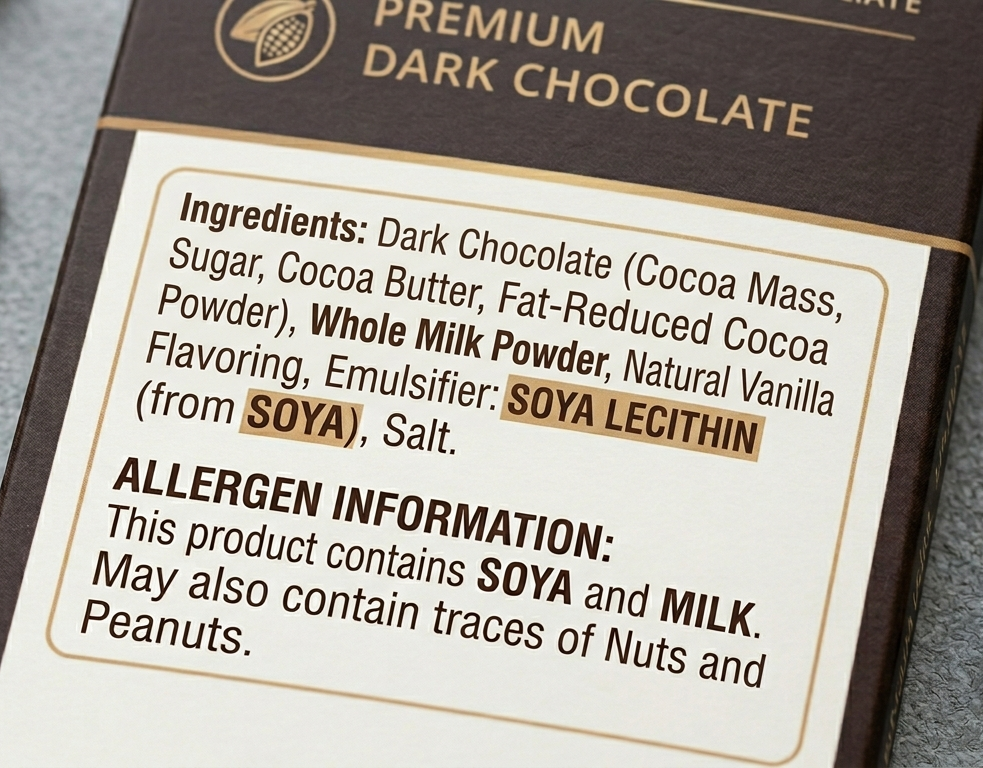
During the same period, European food regulations introduced significant changes to labeling requirements. As of 2011, allergens in packaged foods were required to be clearly distinguished and emphasized (e.g., via bold, italic, or underlined fonts). Full implementation took until 2014, and for countries like Turkey that export heavily to Europe, this required a strategic adaptation. While the industry initially tried to survive the shock using Non-GMO soy, the "allergy" factor eventually raised the question: "Is a total replacement possible?" This is where sunflower lecithin took center stage. Since soy is a major allergen, it was being "blacklisted" in products with high consumer sensitivity, such as those consumed by children.
While sunflower lecithin offered a quick solution during this adaptation period, transitioning was not simple for recipes where consistency is paramount. This is because soy and sunflower lecithin are two different components with significant technical distinctions—primarily in their phospholipid profiles. These ratios are fundamental parameters affecting everything from emulsion stability and fluidity to the homogeneity of the final product. To dive into the details:
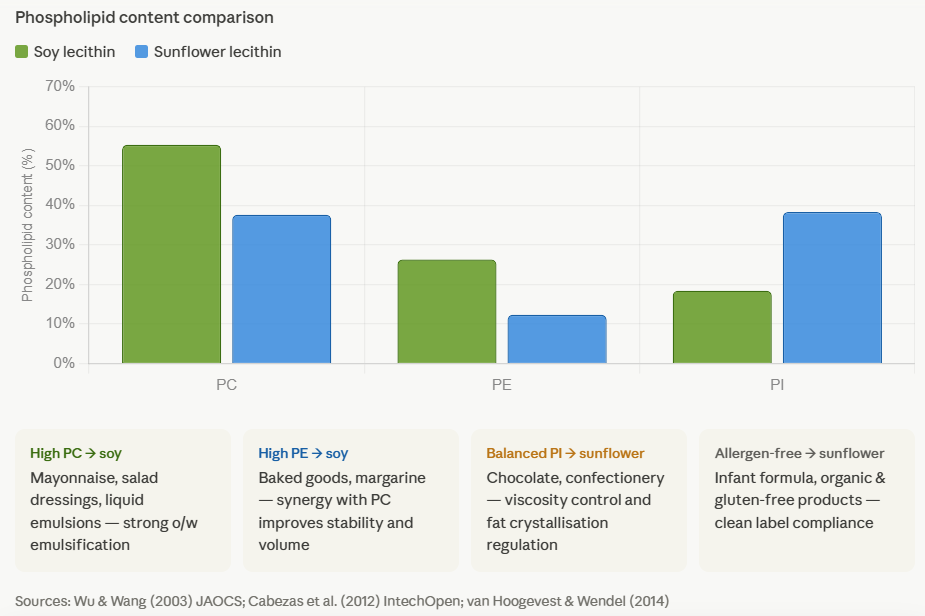
Phosphatidylcholine (PC) Content: This ratio is an indicator of "instantizing" properties, such as dispersibility in water and preventing clumps. Rapid dissolution is vital in products like instant beverages, soups, bouillons, and protein powders.
Phosphatidylethanolamine (PE) Content: Necessary for emulsion stability. Once the oil, water, or air phases are mixed, a higher PE ratio ensures the product maintains its structure and shelf life without breaking down.
Phosphatidylinositol (PI) Content: This ratio ensures the homogeneous distribution and fluidity of solid or gas particles within an emulsion. It is ideal for chocolate coatings and flexible doughs that must maintain aeration at high temperatures. This property is crucial in chocolate manufacturing and coating processes, influencing everything from ease of handling to the thickness of the coating.
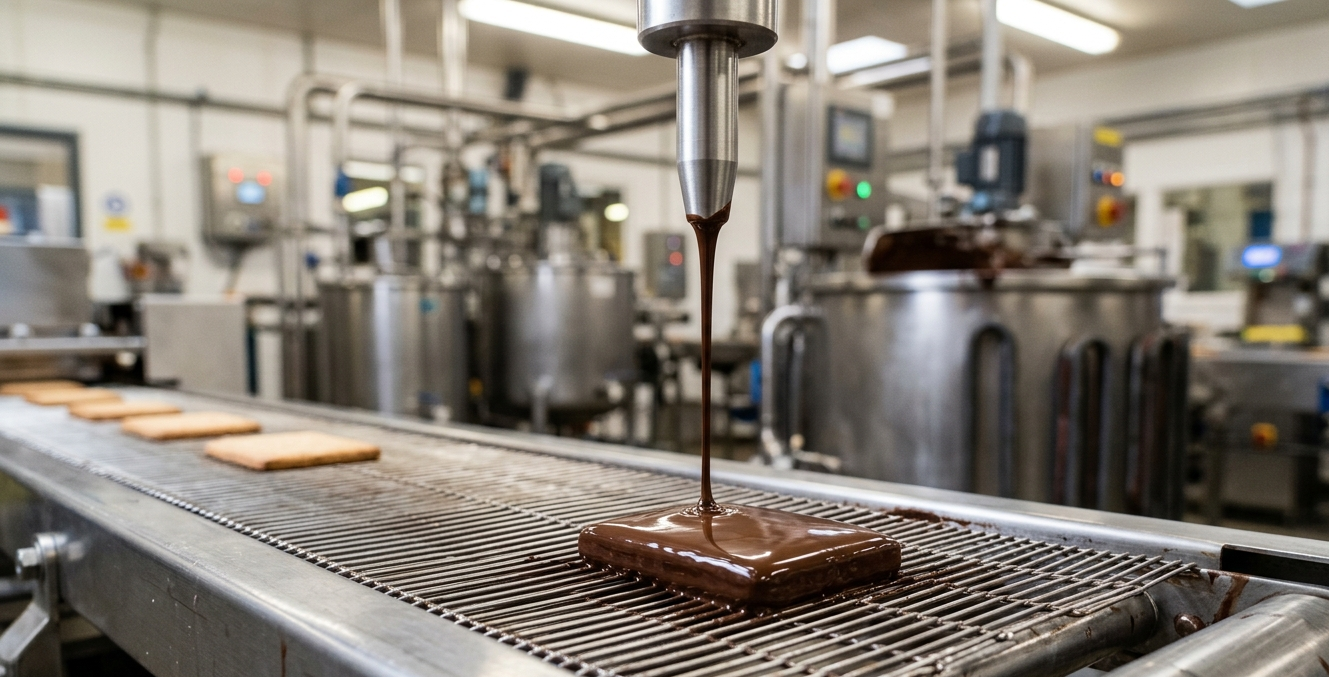
Furthermore, soy generally yields more effective results at much lower dosages than sunflower lecithin, providing a cost advantage. Increasing the dosage doesn't just add cost; it can also lead to "hidden expenses" like unwanted changes in taste, odor, color, and texture. Controlling the "yield value" (flow limit)—which is critical in the chocolate industry—is much easier with soy lecithin. But let’s save that for another article! ?
While these debates continued, food science also advanced, leading to enzymatic reactions that can modify lecithin's properties. Hydrolyzed lecithin is a new and advanced version that can be made more hydrophilic (water-loving), a more hydrophilic (water-loving) version that maintains dough elasticity to better retain gas molecules, ensures a consistent crumb structure, and prevents oil spattering at high temperatures. However, hydrolyzed lecithin is an emulsifier chosen for its technical added value and ability to improve the final product; it is not a product used solely for cost advantage.
Where do we stand now?
Global food giants have significantly reduced their reliance on soy lecithin since 2014. Yet, soy lecithin remains the market leader, still far ahead of sunflower lecithin, with over 60% of the market continuing to use it. However, sunflower lecithin is growing faster. As brands lean toward "soy-free" strategies, the annual growth for sunflower lecithin is around 8-10%, while soy is limited to 3-4%. This suggests that soy may eventually lose its dominance.
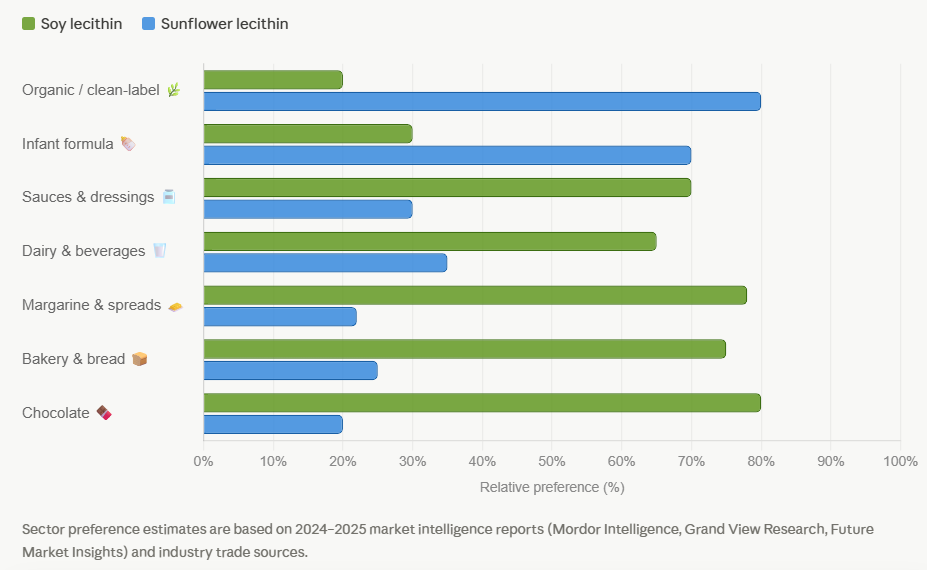
Yet, we must add supply chain security to the equation. In 2022, the conflict between Russia and Ukraine disrupted the supply chain of Ukraine, which alone accounts for nearly half of the global sunflower oil supply. According to USDA data, Ukraine’s agricultural exports in 2025 remain 35% below pre-war levels, and a full recovery is not expected within the next decade. This development forced some producers back to soy, while others turned to alternative sunflower sources like Argentina. As seen during the pandemic, the risk of depending on a single raw material or supplier was once again highlighted.
Meanwhile, in large markets that are not as sensitive to GMOs as Europe and Turkey—such as parts of the Americas and Asia—soy lecithin continues to be used extensively. In sectors where technical advantages and costs do not necessitate a shift, soy lecithin will likely maintain its presence unless a radical change occurs.
What do you think? Will soy lecithin continue to be the king of the food sector, or have the preparations for its departure already begun?